Cleaning up after hoarding isn’t just about tossing junk into a dumpster. It’s about restoring a home—and helping someone take back their life. That’s why this job requires more than a broom and a couple of trash bags.
At Bio-One, we’ve seen firsthand what hoarding really means. We know it’s not just a mess. It’s emotional. It’s complicated. And it often hides some very real dangers.
Here’s why hiring Bio-One is the right call—and why everyday cleaning crews and junk removal services just aren’t enough.

Every successful hoarding cleanup starts with one thing: a plan. But not just any plan—a personalized, compassionate roadmap designed around your unique situation.
At Bio-One, we don’t just show up with trash bags and gloves. We take the time to understand the home, the person, and the emotional weight behind it all.
Here’s how our thoughtful, professional approach sets us apart:
Trying to tackle a hoarding situation without a plan is like trying to fix a house without blueprints. A junk removal service may clear things out, but it won’t solve the deeper problems. We will.

Clearing a hoarded home isn’t just time-consuming—it’s physically exhausting. What appears to be a few rooms of clutter can quickly become a grueling, multi-day challenge. This isn’t your average “spring cleaning.”
Here’s what you’re really up against:
What’s manageable in the beginning can become overwhelming fast. Even seasoned cleaning crews often underestimate the time required for hoarding cleanup and the demands it poses once the work begins.
At Bio-One, we come fully equipped with the tools, protective gear, and trained professionals to power through the most intense labor. We pace the work strategically, protect everyone’s safety, and make real progress without cutting corners.
This isn’t just about strength—it’s about stamina, strategy, and knowing how to get the job done right.
Behind the piles, underneath the clutter, and deep within hoarded homes, dangerous contaminants are often quietly festering. These aren’t just cleaning challenges—they’re serious health threats.
Most people think hoarding is just a matter of a mess. But in reality, it’s often a biohazard scene waiting to be discovered.
Here’s what might be lurking just out of sight:
All of these are considered biohazards—and they’re not something an average junk removal crew or cleaning company is trained (or legally allowed) to handle.
At Bio-One, we’re certified to clean, disinfect, and properly dispose of hazardous materials. Our teams follow OSHA standards, use full protective equipment, and know how to handle even the most extreme situations with professionalism and care.
This isn’t a job for amateurs. If biohazards are involved—and they often are—you need a team that knows what they’re doing and has the certifications to prove it.

When a home becomes overwhelmed by clutter, it doesn’t just feel uncomfortable—it becomes the perfect environment for pests and rodents to move in and multiply.
All it takes is a little food waste, some moisture, and a few dark hiding places—and suddenly you’re dealing with an infestation that’s hidden in the walls, under furniture, and deep within the piles.
Here’s what’s commonly found in hoarded environments:
These pests don’t just damage property—they carry diseases like salmonella, leptospirosis, and hantavirus. Their waste can become airborne, and their presence can quickly spiral into a full-blown health crisis.
The truth? Pest problems in hoarded homes are rarely just a matter of extermination. Once pests have contaminated the environment, specialized cleaning is required to safely remove all traces and restore the space to a livable condition.
At Bio-One, we don’t just deal with the aftermath—we know how to spot the signs of infestation early, contain the spread, and safely remove biohazards left behind. We work discreetly, using professional-grade equipment and proper safety gear, so you don’t have to risk your health or well-being.
In a hoarded home, mold is more than just a patch of discoloration—it’s a growing, hidden danger that’s often overlooked until it becomes a serious health risk.
With so much clutter packed into every corner, proper airflow is restricted. That means moisture lingers, leaks go unnoticed, and humidity builds up. And mold? It thrives in those exact conditions.
Here’s why mold is such a serious concern in hoarding situations:
Cleaning up visible mold is one thing. However, in hoarded homes, mold is rarely limited to the surface. It’s often embedded deep in the environment, and removing it safely requires proper containment, specialized PPE, and professional remediation tools.
At Bio-One, we’re trained to detect, isolate, and eliminate mold as part of our hoarding cleanup process. We know where to look, how to test, and when it’s time to bring in mold remediation protocols. We also take steps to prevent regrowth, helping restore a safe and breathable living space.
When most people think of hoarding, they picture stacks of newspapers, rooms overflowing with clutter, and hallways cluttered with items. What they don’t picture—but absolutely should—is the invisible cloud of contaminated air hovering over it all.
Poor air quality is one of the most hazardous and least understood risks associated with hoarding cleanup. Every time you move a box, lift a rug, or shift a pile, you release pollutants that have been building up for years, sometimes decades.
Here’s what gets stirred into the air during a hoarding cleanup:
Prolonged exposure to this mix can lead to headaches, respiratory infections, asthma flare-ups, dizziness, and even long-term lung damage. For people with allergies, pre-existing conditions, or weakened immune systems, it can be dangerous or even life-threatening.
That’s why Bio-One technicians wear full protective gear on every job—including biohazard suits, respirators, eye protection, and gloves. We don’t just clean—we do it safely, both for ourselves and for everyone who will re-enter the space.
We also utilize professional-grade air scrubbers, HEPA vacuums, and deodorizers to enhance the air quality as we work actively, because it’s not truly clean until it’s safe to breathe.

Behind every cluttered room and overstuffed hallway is a risk most people don’t consider—getting seriously injured while trying to help. Hoarding environments aren’t just hard to navigate; they’re physically dangerous, especially for anyone without the right training, equipment, or experience.
We’ve seen it happen far too often: someone with the best intentions enters a hoarded space to begin cleaning, only to walk away with a serious injury or a trip to the emergency room.
Here’s what makes these environments so hazardous:
In extreme cases, these conditions can lead to fractures, sprains, head injuries, or worse. The danger isn’t always visible, and one wrong move can lead to lasting consequences.
At Bio-One, we take safety seriously. Every cleanup is performed with full protective gear, including hard hats, puncture-resistant gloves, steel-toe boots, and back support. We use the right tools, move strategically, and always work as a team to ensure safe progress.
Your heart may be in the right place—but your body could pay the price if you go it alone. Let the professionals handle the heavy lifting—literally.
When a home is filled with clutter, the fire risks don’t just increase—they multiply exponentially. From stacks of flammable materials to blocked exits and overloaded electrical outlets, hoarded homes can become fire traps waiting for a single spark.
What makes hoarding situations so dangerous during a fire?
The result? Fires in hoarded homes spread faster, burn hotter, and are far more deadly.
At Bio-One, we don’t just clean up clutter—we help prevent tragedy. By restoring open pathways, removing excess materials, and identifying key fire hazards during the cleanup process, we dramatically reduce the risk of fire and create a safer space for everyone.
If someone you love is living in a hoarded environment, acting now could save a life later. A clear space is a safe space—and we’re here to help make that happen.
It’s easy to focus on the visible mess in a hoarded home, but what’s happening beneath the clutter can be even more dangerous. Years of neglected maintenance, trapped moisture, and excessive weight from accumulated belongings can cause severe structural damage that’s often hidden until it’s too late.
These aren’t just cosmetic issues. They pose safety hazards that can compromise the integrity of the entire home.
Here’s what we frequently encounter during hoarding cleanups:
In some homes, the damage is so severe that certain areas become unsafe to enter. Unfortunately, most junk-hauling crews won’t notice—or worse, won’t care—about these risks. They’re there to move stuff, not protect the property.
At Bio-One, we assess more than just the mess. We recognize the signs of serious structural issues and never proceed if it puts someone at risk. If needed, we’ll stop the cleanup and recommend licensed contractors or specialists to address the problems safely and correctly.
We treat every home with the same care and caution we’d want for our own. Because restoring a home doesn’t just mean clearing space—it means making sure it’s safe to live in again.

When someone you care about is struggling with hoarding, stepping in to help is the right thing to do. But without the right approach, even the best intentions can cause deep emotional pain and strain the relationship for years to come.
That’s because hoarding is rarely just about clutter. It’s about fear, trauma, grief, and loss. For the person who hoards, those piles aren’t just junk—they’re comfort, control, or connection. Having someone touch one's belongings without permission can feel like an invasion.
Here’s what we’ve seen time and time again:
That’s why Bio-One approaches every hoarding situation with more than just tools and trash bags—we bring compassion, patience, and a neutral, calming presence.
Here’s how we help preserve relationships and reduce emotional strain:
We’re not here to rush a process that takes time. We’re here to help everyone involved move forward together, with dignity, understanding, and as little conflict as possible.
Because cleaning a home is one thing, helping a family heal is something else entirely.
Hoarding isn’t just about piles of stuff. It’s about stories, struggles, and people who need help reclaiming their space—and sometimes, their life. That kind of transformation takes more than cleaning supplies and a crew with a truck. It takes compassion, patience, and a team that truly understands.
At Bio-One of Sacramento, we’re not just here to remove clutter. We’re here to restore peace of mind, rebuild safety, and offer dignity to the people at the heart of it all.
If you’re facing a hoarding situation—whether it’s your own, a loved one’s, or a client’s—you don’t have to do it alone.
Call Bio-One of Sacramento today. We’re ready to help—gently, respectfully, and without judgment. This isn’t just cleanup. It’s a clean start. And we’ll be with you every step of the way.
Bio-One specializes in hoarding cleanup, which goes far beyond surface cleaning or hauling away items. We assess safety risks, identify biohazards, and create a customized plan that considers emotional, physical, and environmental factors. We’re trained, certified, and compassionate—and we never judge.
Hoarded environments often contain hidden risks, such as mold, pests, structural damage, and biohazards (including feces, urine, and decomposing food). Attempting to clean up without proper equipment and training can lead to injury or illness. Our team utilizes protective gear and adheres to strict safety protocols to ensure the job is completed safely and thoroughly.
It depends on the size of the property and the extent of the hoarding. Some jobs can be completed in a single day, while others may take several days or longer. We’ll provide a clear timeline after our initial assessment and work at a pace that’s comfortable for you or your loved one.
Yes. We approach every situation with compassion and respect. We’re here to support—not shame—those struggling with hoarding. We listen, explain each step, and work at a pace that protects emotional well-being. Our neutral presence can also help reduce tension between family members.
We remove trash, damaged items, expired food, contaminated materials, and any other items that pose a health or safety risk. We always consult with the client about what should be kept, donated, or discarded. Valuables and sentimental items are handled with care and preserved whenever possible.
We’re trained to deal with mold, odor, and indoor air quality issues. During cleanup, we may use HEPA filters, deodorizers, and industrial-strength disinfectants to improve air quality and remove lingering odors. Mold is common in hoarded homes—and we know how to identify and safely treat it.
Yes. Rodents, roaches, flies, and other pests are common in hoarding situations. We remove nests, droppings, and contaminated items, and thoroughly clean and disinfect affected areas. If needed, we can recommend pest control partners to assist with pre- or post-cleanup services.
Absolutely. Animal hoarding creates very sensitive and hazardous conditions. Our team is experienced in handling these situations with discretion and care. We safely clean and disinfect areas affected by urine, feces, and decomposing material, while preserving as much of the home as possible.
In some cases, yes—especially if there is structural damage or biohazard contamination. We can help you navigate insurance claims and provide the necessary documentation to support the process. We’ll also clearly explain your options, including payment plans if needed.
Yes. We understand the stigma that can surround hoarding. That’s why we use unmarked vehicles (upon request) and work with complete discretion. We don’t share information, take photos without permission, or speak publicly about any job. Your privacy is always respected.
As a funeral professional, you're often the first call after tragedy. Families lean on you not just for arrangements, but for answers, compassion, and guidance through one of the most challenging moments of their lives.
But what happens when the loss also leaves behind a traumatic or hazardous scene?
That’s where Bio-One can help.
We specialize in after-death cleanup—cleaning homes, protecting families, and relieving one more burden during a heartbreaking time. Partnering with Bio-One allows you to extend your care, knowing your families are in expert hands.

As a funeral director, you work hard to provide comfort, clarity, and closure during life’s most painful moments. But when a family is also faced with cleaning a trauma scene, unattended death, or hazardous space, the emotional toll deepens—and so does the need for professional help.
We’re proud to be a trusted referral partner for funeral homes across the country. Our mission aligns with yours: to serve families with compassion, dignity, and discretion. When you refer Bio-One, you’re extending your care beyond the funeral and helping families take one more important step toward healing.
Here’s what you—and the families you serve—can expect:

After a sudden or unattended death, most families are already overwhelmed, grieving, making arrangements, and notifying loved ones. Many assume that once emergency responders leave or the funeral home steps in, everything is handled, including the cleanup.
Unfortunately, that’s not the case.
The responsibility of cleaning the scene often falls unexpectedly on the family’s shoulders. At a time when they’re emotionally raw, they’re faced with an impossible choice: enter the space themselves, hire an unqualified cleaner, or do nothing at all.
That’s where your voice—and your referral—can make a life-changing difference.
By simply recommending Bio-One, you help families:
Your recommendation may be the first time they’ve heard that this kind of help even exists. And in that moment, your reassurance means everything.
We’re not just another cleanup company—and we’re certainly not here to treat this as “just another job.”
At Bio-One of Sacramento, our mission is rooted in something deeper: Help First, Business Second. That means leading with compassion, not just contracts. It means answering the phone at 2 a.m. because someone’s worst day can’t wait until morning. And it means showing up ready to help—not just with tools, but with heart.
We know the weight you carry as a funeral director. You’re more than a service provider—you’re a source of stability, strength, and reassurance for grieving families. When you recommend Bio-One, you’re extending that sacred trust to us. And we don’t take that lightly.
It’s why we prioritize:
This work isn’t just technical. It’s emotional. It’s human. We believe that the only way to do it right is with compassion, experience, and respect at every step.
Because when someone calls us, they’re not just hiring a cleanup crew. They’re reaching out for help. And we’ll always be there to answer.
Whether it’s an unattended passing, suicide, homicide, or infectious disease situation, Bio-One is ready to respond quickly, compassionately, and professionally. These are the kinds of situations no family is ever prepared for. But with the right team in place, they don’t have to face it alone.
By partnering with Bio-One, you’re offering families more than just a referral; you’re offering relief, protection, and peace of mind. You’re showing them that even after the service ends, they are still being cared for.
We believe funeral homes and cleanup professionals can—and should—work hand in hand. Together, we create a seamless experience that protects a family’s emotional well-being and honors the memory of their loved one.
Let’s talk about how we can support you and the families you serve:
We’re here. Anytime. No pressure, no obligations—just a conversation.
Reach out today and see why so many funeral directors choose Bio-One as their trusted partner.
We specialize in trauma and biohazard cleanup following unattended deaths, suicides, homicides, and infectious disease events. If a scene involves bodily fluids or potentially hazardous materials, we’re the right team to call.
Funeral professionals are trusted guides during emotional times. Referring Bio-One allows you to offer families one more layer of care—professional, compassionate cleanup services that reduce trauma and help them begin healing.
Yes. We’re available 24/7/365, including nights, weekends, and holidays. Loss doesn’t follow a schedule, and neither do we.
We typically respond within hours, and in many cases, even faster. Our goal is to arrive promptly so families don’t have to wait or face the situation alone.
Absolutely. We use unmarked vehicles and plain uniforms to protect the family’s privacy. Every technician is trained to act with empathy, discretion, and professionalism.
Our technicians are trained in OSHA regulations. We follow all federal, state, and local guidelines for biohazard cleanup and disposal.
We provide transparent, upfront pricing with no hidden fees. If insurance covers the cleanup, we’ll help the family navigate that process as part of our service.
Yes. We can supply referral cards, flyers, or even provide a short in-service overview of how we work. We’re here to make referring us as easy and seamless as possible.
Our mission is simple: Help First, Business Second. We combine professional training with genuine compassion, treating every family and every situation with the respect it deserves. We don’t cut corners, and we don’t rush through emotional situations.
Please feel free to contact us by phone or through our website. We’re happy to schedule a quick introduction, provide materials, or answer any questions you may have—no pressure, no obligations.
Fentanyl, an incredibly potent synthetic opioid, presents a hidden but lethal risk when it contaminates spaces. Originally developed to treat intense pain in medical settings, this opioid’s potency – up to 100 times that of morphine – requires careful, controlled handling.
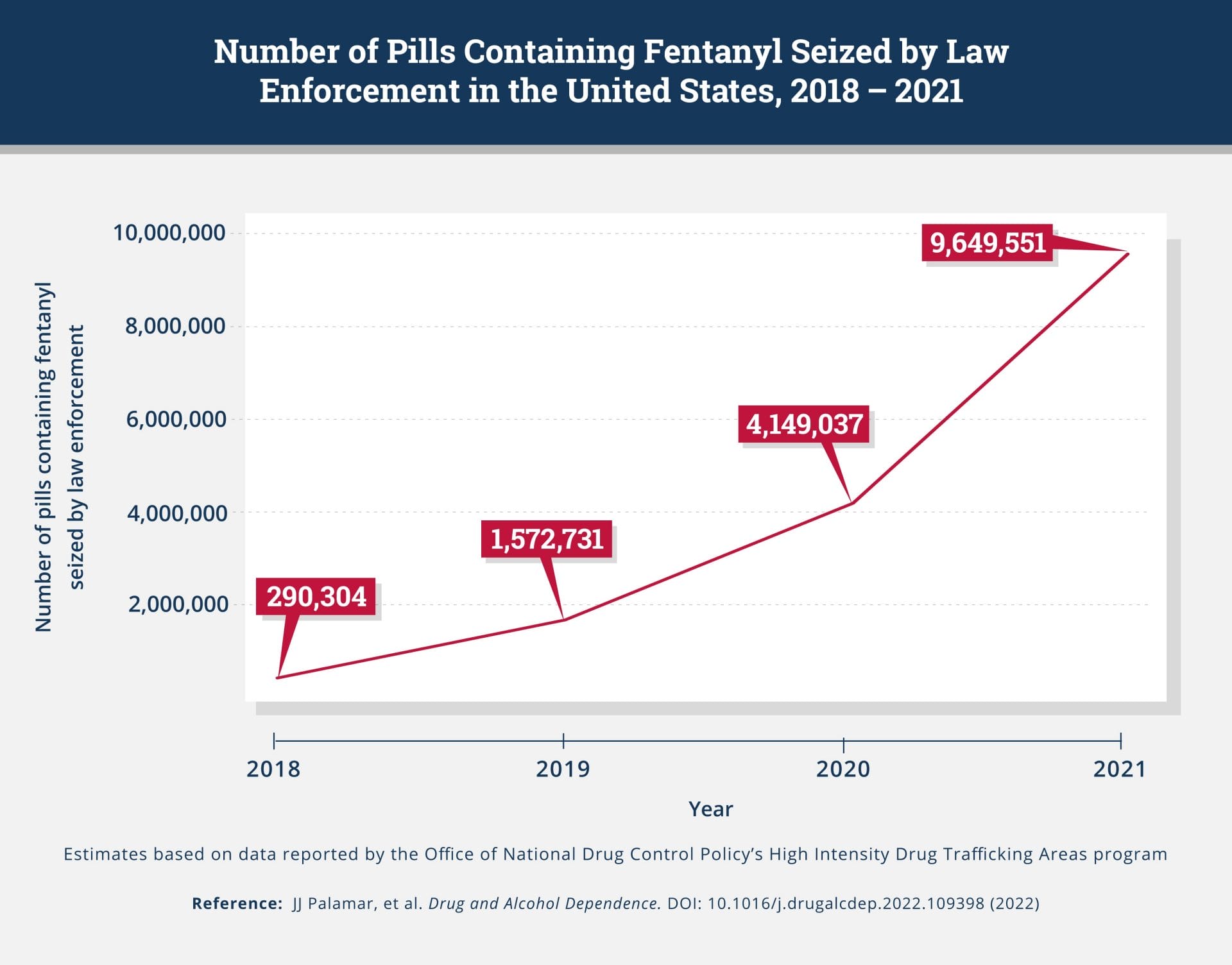
However, fentanyl has made its way into the illicit drug market, where it’s often added to drugs like heroin, cocaine, and counterfeit pills, intensifying their effects and, in turn, the dangers. This covert presence of fentanyl has led to an alarming surge in accidental overdoses and fatalities among unsuspecting users.
But the threat of fentanyl contamination isn’t limited to drug users alone; it also extends to anyone who might come into contact with an affected area, including family members, landlords, first responders, and even cleanup crews.
Contaminated spaces range from drug labs and storage facilities to public areas, hotel rooms, and private residences – wherever traces of fentanyl can be left behind. The consequences of accidental exposure are severe, and even a minuscule amount can cause overdose or death. Given these critical health hazards, recognizing the risks of fentanyl exposure and understanding why cleanup requires specialized, professional intervention is crucial.
In cases where fentanyl contamination is suspected, attempting DIY cleanup is a risky – and potentially deadly – mistake. Only trained professionals with the right equipment and knowledge can ensure a space is safe again, effectively protecting individuals and communities from this invisible and often underestimated danger.
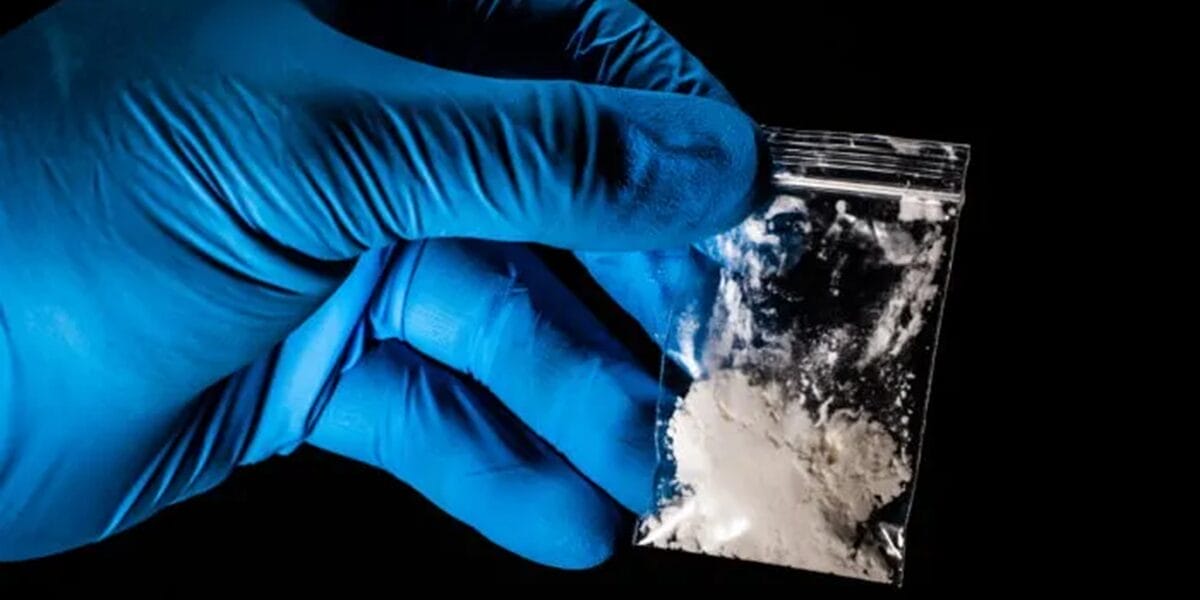
Fentanyl, a synthetic opioid used in medical settings, is 50 to 100 times more potent than morphine. While it is valuable for treating severe pain under controlled conditions, even a trace amount can lead to overdose and death.
Unfortunately, fentanyl has permeated the street drug market, leading to a tragic surge in accidental overdoses. This opioid is deadly not only for users but also for anyone who might come into contact with it unintentionally – from family members to first responders, cleanup teams, and even bystanders.
Here are critical points about fentanyl’s extreme dangers:
The combination of these factors makes fentanyl one of the most dangerous substances to encounter. Professional intervention is essential to ensure safety, as even slight exposure can result in severe health consequences, underscoring the need for thorough, expert cleanup in contaminated areas.
Attempting a DIY cleanup of fentanyl contamination is an extremely high-risk endeavor. Here’s why:
Bio-One’s certified technicians lead fentanyl cleanup with unmatched expertise and empathy, understanding the sensitive nature of such situations. Here’s why Bio-One is the premier choice for fentanyl decontamination:
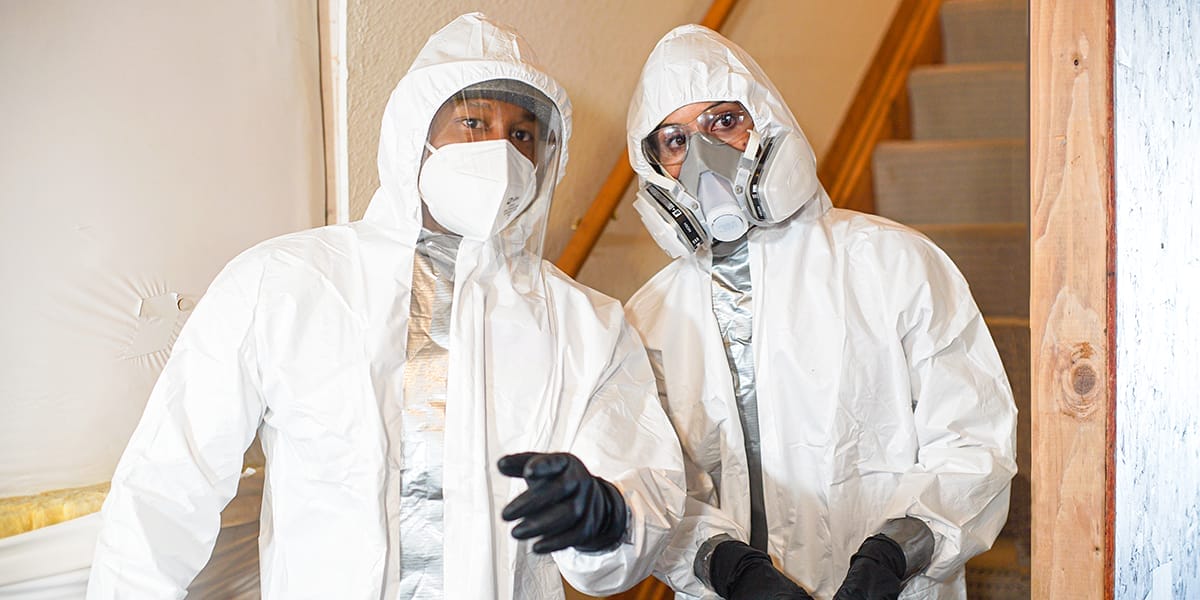
Choosing the wrong company for fentanyl cleanup can lead to catastrophic consequences. Here are the risks associated with unqualified cleanup services:
Bio-One of Sacramento is dedicated to providing safe, thorough fentanyl cleanup services that safeguard families, public spaces, and public health. With a specialized approach and a compassionate commitment to each case, Bio-One stands out as a trusted partner for effectively reclaiming and restoring contamination-free spaces. Here’s what sets Bio-One’s fentanyl cleanup services apart:
Bio-One’s commitment to professionalism, safety, and compassion makes it an invaluable partner for anyone facing the dangers of fentanyl contamination. Their expert services provide the peace of mind that spaces have been thoroughly decontaminated and safely cleaned.
Fentanyl is 50 to 100 times more potent than morphine, making even a trace amount potentially lethal. Its ability to cause overdose from mere skin contact or inhalation adds to its high-risk profile.
Fentanyl can contaminate spaces through illicit drug manufacturing, storage, or usage. These locations can include private residences, hotel rooms, vehicles, and public spaces.
Anyone who comes into contact with a contaminated area is at risk, not just drug users. This includes family members, property managers, first responders, and cleanup crews.
DIY efforts lack the specialized equipment and knowledge needed to remove fentanyl safely. Without these, individuals risk severe health consequences from exposure.
Bio-One employs specialized cleaning agents and strict protocols to neutralize fentanyl's potency, ensuring all residues are safely removed from the contaminated areas.
Bio-One navigates the complex legal and insurance processes involved in fentanyl cleanup, ensuring compliance with regulations and aiding clients in managing claims.
If you suspect contamination, avoid the area and contact a professional cleanup service like
Bio-One immediately to handle the situation safely.
Yes, fentanyl residues might not be visible, making professional assessment critical to identify and safely clean all contaminated surfaces.
Cleanup times can vary, but Bio-One typically completes most projects within one to two days, depending on the extent of contamination.
Bio-One offers certified expertise, rapid response times, advanced cleaning techniques, and a compassionate approach, making them highly effective and sensitive to the needs of those impacted by fentanyl contamination.
Holding cells see a constant flow of detainees, many of whom arrive injured, intoxicated, or carrying infectious diseases. Blood, vomit, urine, drug residue, and even pest infestations can quickly turn these areas into biohazard hotspots.
While routine cleaning may address surface-level messes, it often fails to eliminate the hidden dangers that put officers, staff, and detainees at risk. Law enforcement professionals already face enough hazards on the job—exposure to biohazards in holding cells shouldn’t be one of them.
Ensuring these spaces are adequately decontaminated goes beyond sanitation; it’s a matter of health, safety, and compliance. That’s where Bio-One comes in. Our specialized biohazard remediation services help agencies maintain clean, safe detention areas while reducing risks to personnel and the public.
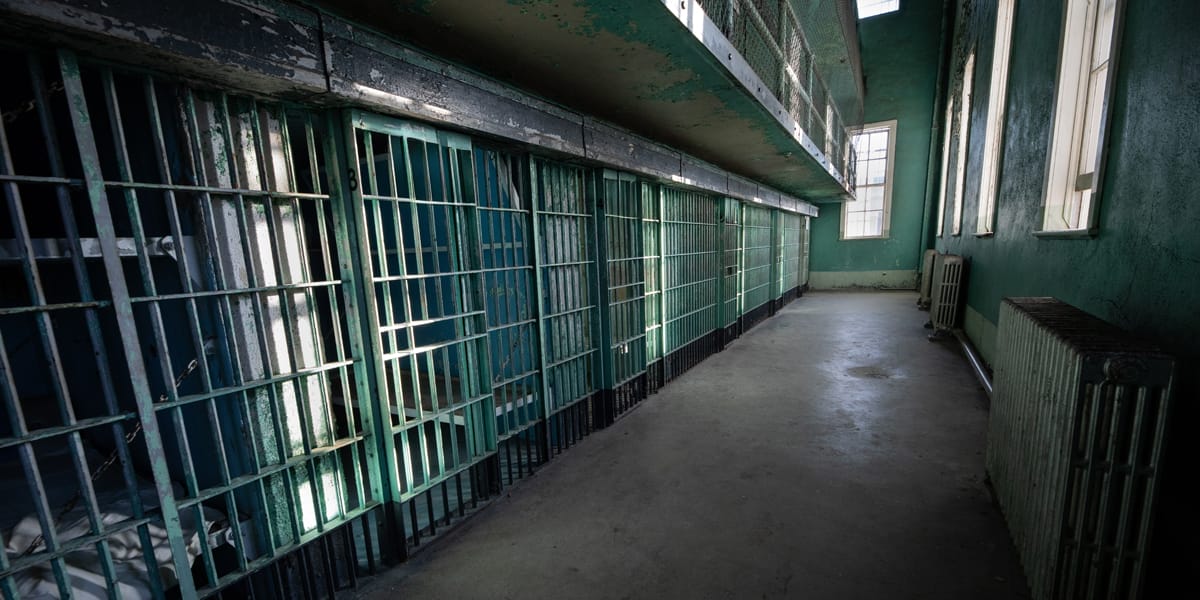
Officers and staff interacting with holding cells face exposure to various dangerous contaminants. Some of the most common biohazards found in these areas include:
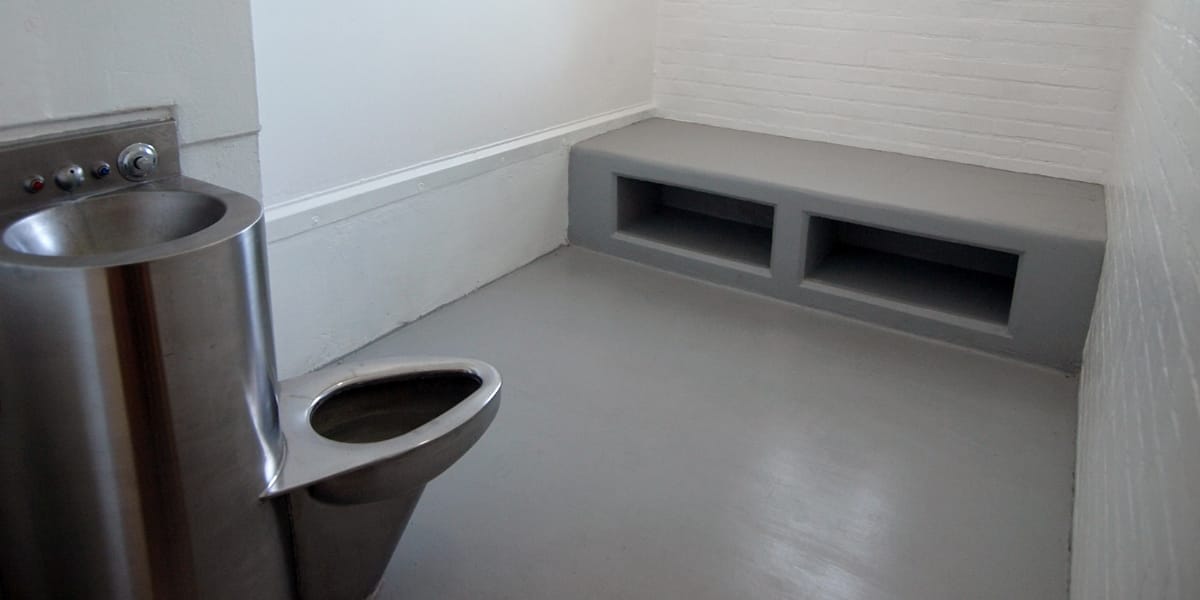
While effective for general sanitation, standard cleaning protocols are not designed to eliminate biohazards. Many pathogens, drug residues, and contaminants require specialized equipment and training to remove correctly. Here’s why professional cleanup is essential:

Bio-One specializes in biohazard remediation and works directly with law enforcement agencies to maintain clean, safe, and fully operational detention facilities. Our services include:
Law enforcement officers already face enough risks on the job—exposure to biohazards shouldn’t be one of them. By partnering with Bio-One for holding cell cleanup, agencies can ensure a safer environment for officers, staff, and detainees while maintaining compliance with health and safety standards.
For immediate assistance with biohazard cleanup in holding cells or other law enforcement areas, contact Bio-One of Sacramento today at (916) 833-2461.
Holding cells frequently contain blood, vomit, urine, feces, saliva, drug residues (such as fentanyl or meth), and even pests like lice or bedbugs. These biohazards pose serious health risks if not properly decontaminated.
Standard cleaning methods may remove visible messes, but they often fail to eliminate pathogens, drug residues, and lingering contaminants that can cause infections, diseases, or secondary exposure to officers and detainees.
Bodily fluids can carry dangerous pathogens such as HIV, hepatitis B & C, tuberculosis, and MRSA. These contaminants can remain on surfaces without proper cleanup, increasing the risk of disease transmission.
Even trace amounts of fentanyl or methamphetamine can be hazardous. Officers and detainees can be exposed through skin contact or accidental inhalation. Professional decontamination ensures that all drug residues are safely removed.
Bio-One follows strict biohazard remediation protocols, using hospital-grade disinfectants, advanced decontamination techniques, and protective measures to eliminate biohazards, neutralize odors, and restore holding cells to a safe condition.
Bio-One provides 24/7 emergency response to law enforcement agencies, ensuring holding cells are decontaminated and ready for use as quickly as possible.
Yes. Bio-One adheres to OSHA, EPA, and local health department regulations, ensuring full compliance with safety and sanitation requirements for law enforcement facilities.
Proper decontamination prevents the spread of diseases, minimizes exposure risks for officers and detainees, and ensures compliance with safety regulations—reducing the likelihood of lawsuits related to unsanitary conditions.
Yes. Bio-One’s advanced cleaning techniques include odor neutralization, eliminating lingering smells caused by bodily fluids, vomit, or chemical contaminants like pepper spray.
Bio-One offers one-time emergency cleanups and scheduled biohazard cleaning services to help agencies maintain safe, sanitary holding cells. Law enforcement departments can contact Bio-One to discuss customized cleaning plans.
If you love someone who hoards, you’ve probably asked yourself, “Why can’t they just throw this stuff away?” It’s frustrating. It can feel like your loved one is choosing things over their own safety or happiness. But the truth is, hoarding isn’t just about being messy. It’s often related to a mental health disorder.
Behind the piles of stuff, there’s often a lot of pain. Your loved one might be struggling with anxiety, depression, trauma, or deep feelings of fear. The clutter you see is only part of the story. This Mental Health Awareness Month, let’s talk about what’s really going on—and how you can help.
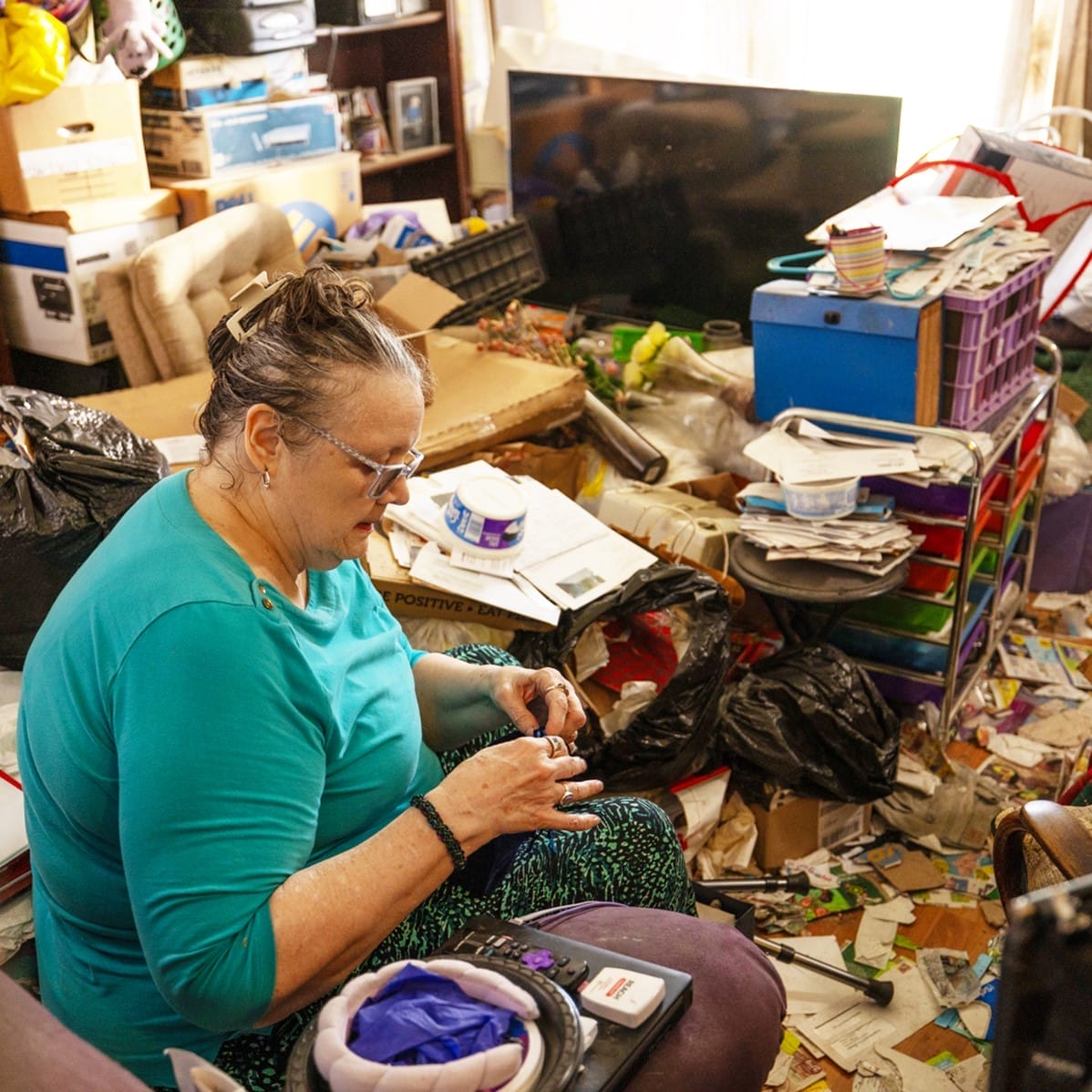
Hoarding disorder is when someone has a very hard time getting rid of things, even items that seem useless or broken. They feel a strong need to keep things, and just thinking about letting go can cause panic or sadness.
It’s not about laziness. It’s not about being dirty. It’s about how the brain is trying to protect itself. For many people, keeping things feels like a way to stay safe or in control, especially if they’ve been through something hard in life.
Signs of hoarding disorder might include:
When someone you love is living in a home filled with clutter, your first thought might be, “I’ve got to fix this.” You might want to step in, start tossing things, or give them an ultimatum. After all, you care about them and you’re scared for their safety.
But here’s the hard truth: Confronting someone with a hoarding disorder in a harsh or forceful way almost never works. In fact, it can make the problem worse. Hoarding is deeply emotional.
If a person feels judged, cornered, or forced to let go of their things, they may shut down entirely or hold on even tighter.
You’re not alone in feeling overwhelmed. But there’s a better way to help.
Here’s what works better:
When you lead with love instead of force, you build trust, which opens the door to real change.
Progress might come slowly, but every step made with patience and compassion is a step in the right direction.
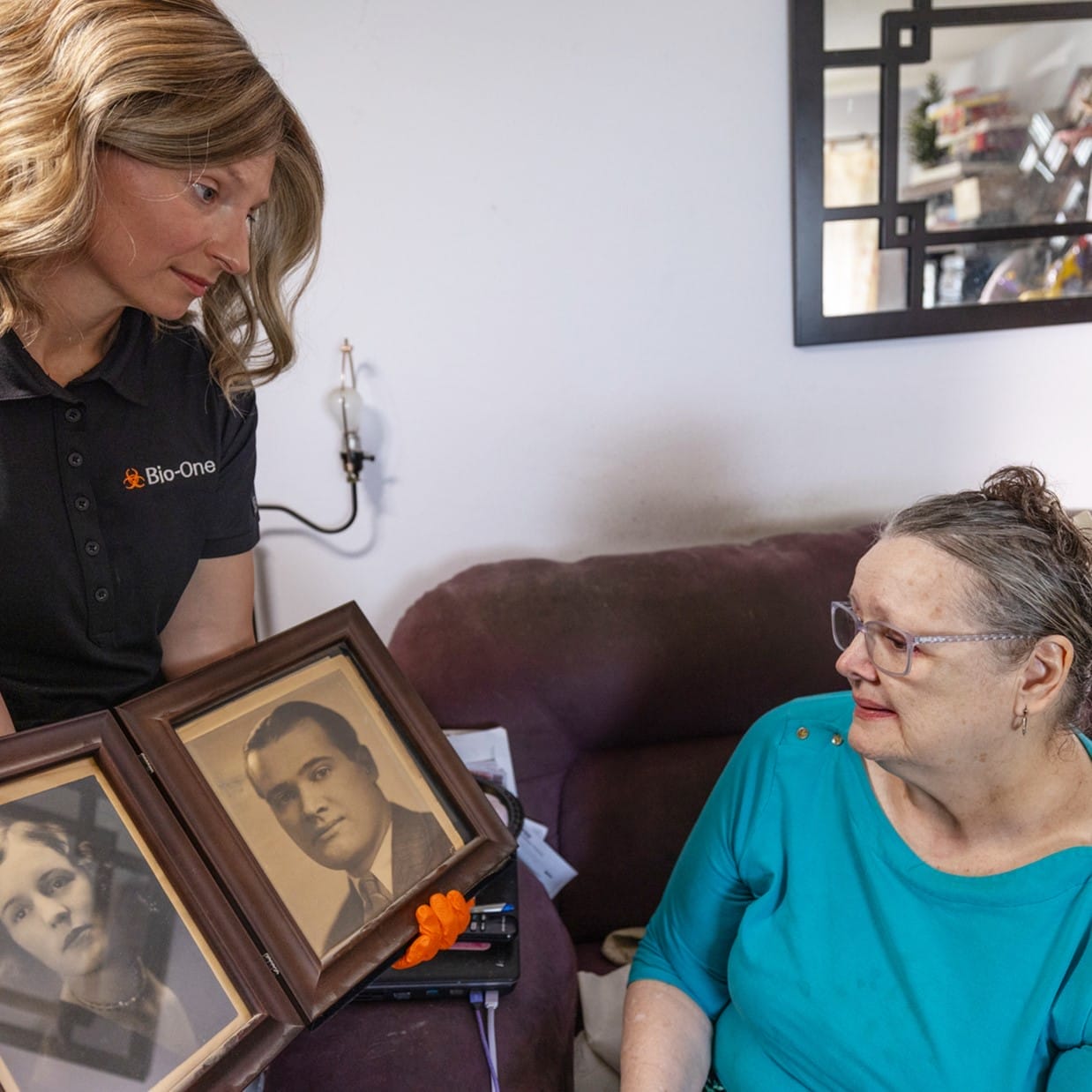
Loving someone with a hoarding disorder isn’t easy. You may feel tired, angry, confused, or even hopeless. You might be trying to help while also juggling work, family, and your own emotions. It’s a lot to carry.
You care deeply, and that’s why you’re here, trying to learn more. But you also need care. Your feelings matter, too.
So many people are in the same situation—quietly worrying about a parent, sibling, spouse, or friend struggling. It can feel isolating, especially if others don’t understand. That’s why it’s important to reach out and get support for yourself, not just for your loved one.
Here are some ways to take care of yourself:
At Bio-One, we’ve seen how tough this road can be for families. That’s why we show up with compassion, not judgment, for your loved one, and for you.
You’re not failing. You’re not alone. You’re doing your best. And that’s enough.
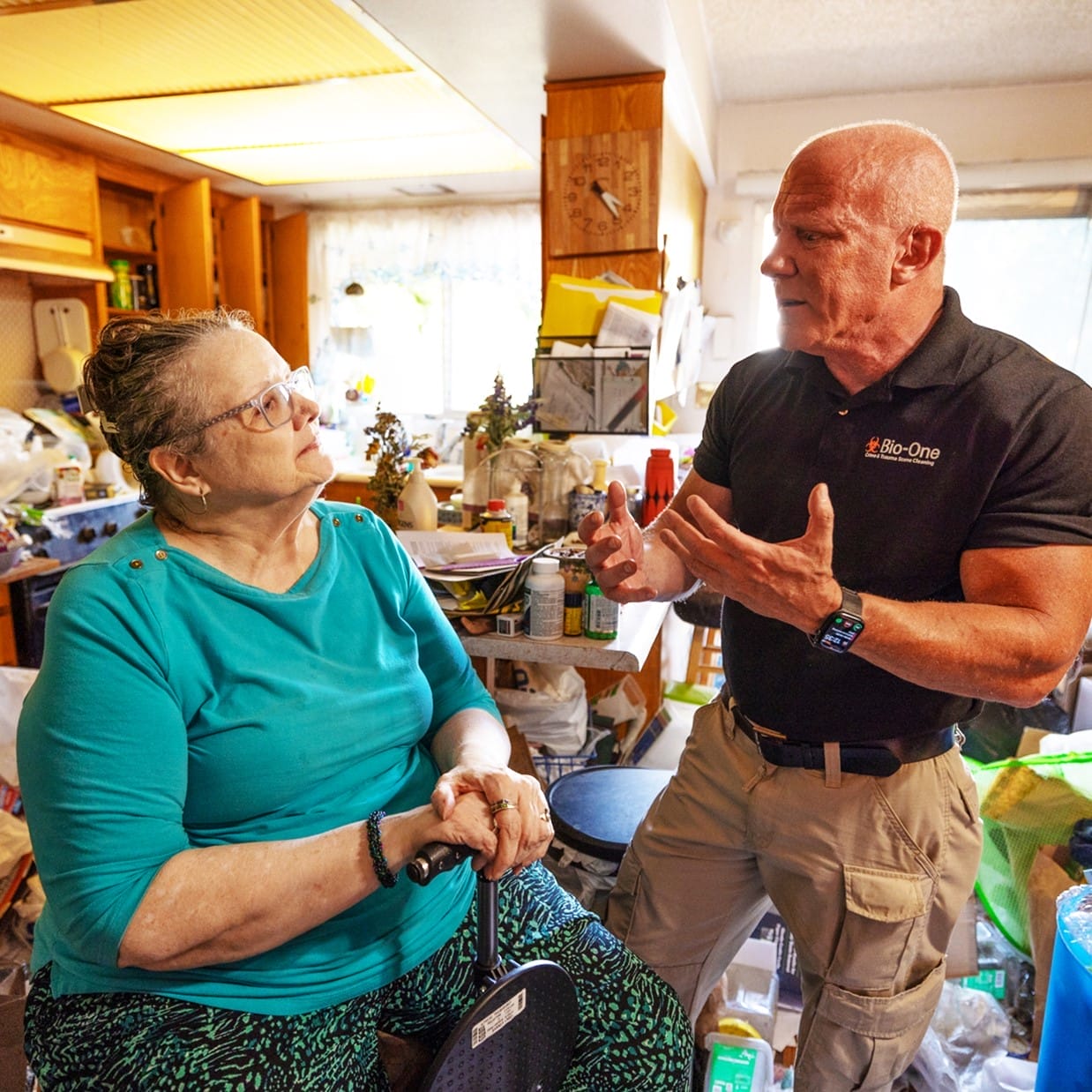
Sometimes, the situation is too big to handle by yourself. That’s where we come in.
At Bio-One of Sacramento, we’ve helped thousands of families just like yours. Our trained technicians know how to clean cluttered homes with care and compassion. We don’t judge. We listen, we understand, and we’re here to help.
We work gently and respectfully to make the space safer and more comfortable. And we involve your loved one every step of the way, so they feel more in control and less afraid.
If someone you love has a hoarding disorder, it can feel overwhelming. But with time, support, and understanding, things can get better.
Progress doesn’t happen all at once. But each kind word, each small step, and each moment of support makes a big difference.
And when you need help, we’re here.
How to Help a Loved One With a Hoarding Disorder
Why Cleaning a Hoarding Mess is a Job for a Professional Hoarding Cleanup Service
Hoarding: Recognizing the Signs and Seeking Help. Finding hope and motivationto clean up your home.
Hoarding disorder is a mental health condition where a person has a very hard time getting rid of things. They often feel strong emotional attachments to items and may become overwhelmed or upset when asked to let them go.
No. Hoarding is not the same as being messy or disorganized. It’s a mental health struggle that usually involves deep emotions like fear, anxiety, or past trauma.
For someone with a hoarding disorder, letting go of items can feel scary or painful. What might look like trash to others might feel safe or important to them. Cleaning without their consent can cause stress or damage trust.
Start with kindness and concern. Use “I” statements like “I’m worried about your safety,” and avoid blaming. Focus on how you can support them instead of trying to take control.
This is common. Hoarding can bring up strong feelings. Try to stay calm and patient. Don’t push too hard. Give them time, space, and support. It may help to talk with a counselor or mental health professional for guidance.
No. Throwing items away without permission can break trust and make the situation worse. It’s important to involve your loved one in every step and help them feel safe and respected.
Helping someone with a hoarding disorder can be exhausting. Make time for yourself, set healthy boundaries, talk to a trusted friend, and consider joining a support group. You matter too.
Yes. Many people with hoarding disorder can improve with the right kind of help. Therapy, support from loved ones, and professional cleanup services that understand the emotional side of hoarding can all make a big difference.
If the clutter is unsafe, overwhelming, or beyond what you can manage, it’s time to call in trained professionals. At Bio-One, we approach each cleanup with care, compassion, and respect for your loved one.
Yes. We understand how emotional hoarding can be. Our goal is to make the space safer and more livable while treating everyone involved with dignity. We don’t judge. We’re here to help.
We spend a big part of our lives at work. It’s where we talk with others, solve problems, and try our best to do a good job. But sometimes, people show up to work while quietly struggling inside. Behind smiles and small talk, many are dealing with stress, sadness, or feelings they don’t know how to share.
Mental health struggles are more common than most people realize. And when no one talks about them, the silence can be harmful.
This Mental Health Awareness Month, Bio-One of Sacramento wants to talk about something that doesn’t get enough attention. We want to help more people understand how important it is to support mental health at work. Because when someone feels safe enough to open up, it might not just help them feel better. It could actually save their life.

Mental health challenges don’t stop when someone walks into work. If a person is feeling anxious, depressed, or overwhelmed at home, those feelings usually come with them to the office, the warehouse, or the job site.
Many people do their best to keep going. They show up, smile, and try to focus. But on the inside, they might be hurting. They could be dealing with grief, trauma, stress, or other serious mental health struggles, and no one around them even knows.
Why don’t more people speak up?
Because they’re afraid.
So instead, they stay silent. And that silence can make things worse.
At Bio-One, we’ve seen what happens when people suffer in silence. That’s why we believe it’s important to create spaces, especially at work, where people feel safe talking about what they’re going through.
It’s not always easy to tell when someone is having a hard time. At work, many people try to hide what they’re feeling so they can “push through” the day. But there are often small signs that can let us know when a coworker or friend might be struggling with their mental health.
Here are a few things to watch for:
These signs might not seem like much at first. But together, they can show that someone is not okay.
Even if you’re not sure, it’s always a good idea to check in. A simple “Hey, I noticed you’ve seemed a little off. Want to talk?” can let them know they’re not alone.
Sometimes, just being seen and heard can help someone take the next step toward getting support.

When people feel like they can't talk about their mental health, it can make everything worse. Silence often leads to shame. And shame can make someone feel even more alone.
At work, this silence can feel extra heavy. Someone might be struggling every day, but if they believe no one will understand or they’ll be judged, they may never speak up. Instead of asking for help, they keep everything inside.
That kind of isolation can be dangerous.
At Bio-One, we’ve responded to tragic calls where someone lost their life to suicide. It doesn’t just happen at home. We’ve been called to clean up offices, warehouses, and other workspaces where a person felt there was no way out.
Many of those lives might have been saved if they had felt safe enough to speak up.
This is why it matters to talk about mental health at work. Because when we make space for honest conversations, we make it easier for people to get the help they need, before it’s too late.
You don’t have to be a manager or part of the HR department to make a difference. Every person in a workplace can help create a space where mental health is talked about openly and kindly.
Here are some simple ways to start:
These small actions help build trust. And trust creates a workplace where people feel more supported, connected, and safe to be honest about what they need.

Leaders have a powerful role in shaping workplace culture. When managers talk openly about mental health and support their teams, it sends a clear message: it’s okay to speak up, and it’s okay to need help.
Here are a few ways leaders can make a real difference:
When leadership takes mental health seriously, it sets the tone for the entire workplace. It helps build a culture of care, and that can save lives.
Talking about mental health at work might seem small, but it can have a huge impact. It’s not just a kind thing to do. It’s a real form of suicide prevention.
When people feel like they can be honest about how they’re doing, they’re more likely to get the help they need. A caring conversation at work could be the moment that helps someone keep going.
Here’s what open, supportive workplaces can offer:
These things may seem simple, but they can make a life-changing difference.
Every conversation matters. Every person who chooses to listen, share, or care helps make the workplace a safer space for everyone.
At Bio-One of Sacramento, we’re called in after some of life’s hardest moments. We clean up after tragedy, but we would much rather help prevent that tragedy from ever happening.
This Mental Health Awareness Month, we’re encouraging every workplace to take a step toward being more open, more caring, and more supportive. Whether you’re an employee, a manager, or a business owner, your words and actions matter.
One conversation can help someone feel seen.
One kind question can remind someone they are not alone.
And one safe space at work could be the reason someone chooses to stay.
Let’s work together to make sure no one suffers in silence.
Let’s make it easier to talk about mental health.
Let’s make our workplaces places where people feel supported every day.
Because sometimes, a simple conversation really can save a life.
Because many people are silently struggling, when mental health is ignored in the workplace, it can lead to isolation, shame, and even tragedy. Open conversations create safer, more supportive environments where people feel seen and are more likely to ask for help.
Look for changes such as:
Check in with them gently. Try saying, “Hey, I’ve noticed you don’t seem like yourself lately. Want to talk?” Just showing that you care can help them feel less alone.
Yes. Everyone can help create a more supportive workplace. You can lead by example, check in with others, and talk openly about your own stress or mental health experiences.
Many people are afraid of being judged, looking weak, or losing their job. That fear leads to silence, and silence can make mental health struggles worse.
Managers can:
Yes. When someone feels safe and supported, they are more likely to speak up and get help before reaching a crisis point. Honest conversations can be life-saving.
Silence can lead to shame and isolation. Bio-One has responded to suicide scenes in workplaces where people may have never felt safe enough to talk about what they were going through. That’s why early conversations matter.
Start small. Talk about stress, burnout, therapy, or self-care in everyday conversations. The more we speak openly, the less scary and “taboo” the topic becomes.
Ask someone how they’re really doing—and mean it. That one question could help them feel seen, heard, and valued. It’s a simple step that could make a big difference.
Sometimes, tragedy happens in silence. A person passes away alone, and no one notices right away. Days, maybe even weeks, go by.
Meanwhile, nature takes its course. The body begins to break down, releasing fluids and strong odors that don’t just linger—they spread. Walls, floors, and furniture absorb the damage.
Harmful bacteria and pests move in, making the home unsafe. The longer it goes unnoticed, the worse it gets. By the time someone discovers what happened, the cleanup can be overwhelming.

Most people think cleaning is simple—grab some soap, water, and maybe a little disinfectant. But in situations like this, regular cleaning just isn’t enough. The dangers run deeper than what you can see or smell.
When a body decomposes, biological fluids don’t just stay on the surface. They seep into:
As these fluids spread, bacteria and pathogens grow. The smell isn’t just unpleasant—it’s a warning sign of harmful biohazards in the air and on surfaces.
Without proper cleanup, these dangers can make people sick and cause long-term damage to the property.
Trying to clean it up without professional help can make things worse. Scrubbing or using household cleaners can spread contamination instead of eliminating it. Plus, without industrial-grade odor neutralizers, the smell can linger for months—or even years.
That’s why professionals like Bio-One are essential. Using advanced tools and proven techniques, they:
With experts handling the cleanup, property owners and tenants can focus on moving forward instead of dealing with the dangers left behind.
Unattended death cases present unique challenges for insurance adjusters. Unlike fire or water damage, decomposition introduces biohazards that can spread far beyond the immediate area.
The policyholder—whether a homeowner, landlord, or property manager—may be dealing with an emotionally overwhelming situation, making clear communication and guidance essential.
Coverage for biohazard cleanup depends on how the policy is written. Adjusters must determine:
Unattended deaths are distressing for policyholders, and adjusters are often the first point of contact. Managing these claims requires both technical expertise and compassion. Here’s how adjusters can help:
By understanding the complexities of decomposition cleanup and guiding policyholders through the process, adjusters can make a difficult situation easier while ensuring proper risk management for the insurer.
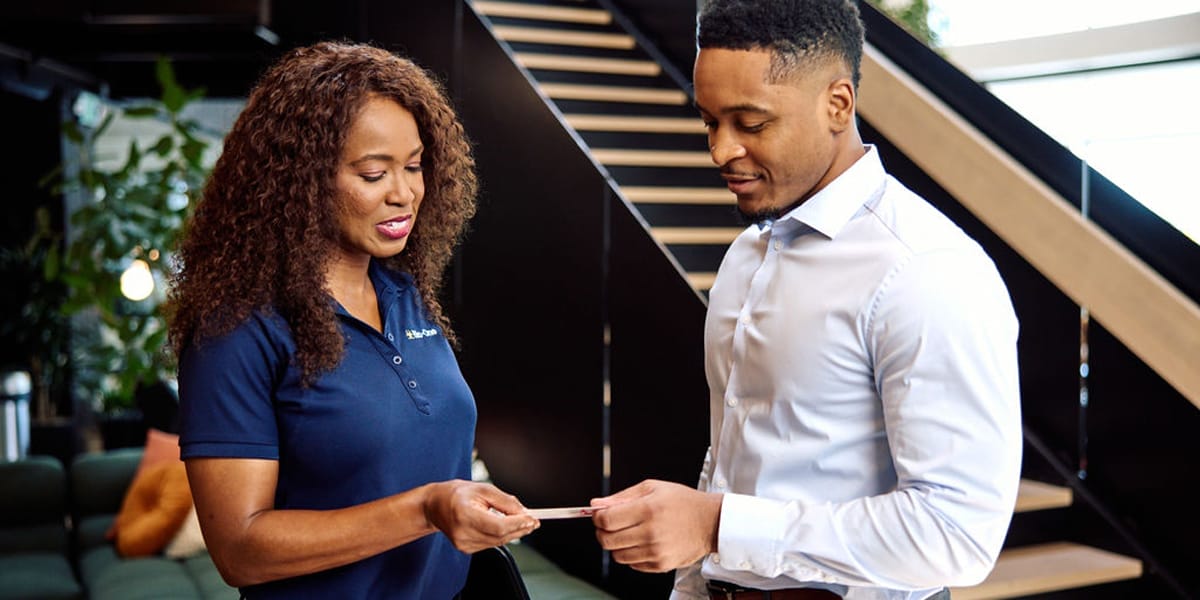
Unattended deaths aren’t just difficult—they’re delicate. As an insurance adjuster, you’re assessing property damage and guiding a policyholder through one of the most challenging moments of their life. The process can be overwhelming for them, full of questions about coverage, costs, and what comes next. That’s where Bio-One steps in.
At Bio-One of Sacramento, we understand that this isn’t just another claim. It’s someone’s home, someone’s responsibility, and often, someone’s loss. We aim to make your job easier by handling the biohazard cleanup efficiently, professionally, and compassionately.
We work directly with both insurance adjusters and policyholders to ensure a smooth, stress-free process.
We take care of everything so that adjusters can focus on claim resolution. Our services include:
Insurance adjusters shouldn’t have to handle biohazard cases alone. With Bio-One, you get a partner who understands the sensitive nature of these claims and works efficiently to clean the property while keeping policyholders informed and supported.
We ensure everything is handled carefully so you can focus on what you do best.
If you’re handling an unattended death claim, let Bio-One be your trusted cleanup resource. We’re here to help every step of the way.
An unattended death occurs when someone passes away alone and their death remains undiscovered for an extended period. This can lead to significant biohazard risks due to decomposition.
Decomposition releases biological fluids and harmful bacteria that seep into flooring, walls, and furniture. Professional biohazard cleanup ensures complete decontamination, odor removal, and proper sanitization to prevent health hazards.
No, DIY cleaning can spread contamination and expose you to biohazards. Household cleaning products are not strong enough to neutralize harmful bacteria and odors. Professional cleanup is required to restore safety.
Coverage depends on the policy. Some insurance plans classify biohazard cleanup under property damage or crime scene cleanup, while others may exclude it. Check with your insurer or work with Bio-One to determine coverage.
Decomposition fluids can soak into carpets, subfloors, drywall, and even HVAC systems, causing extensive damage and requiring specialized cleaning, decontamination, and repairs.
Insurance adjusters assess the extent of contamination, determine coverage, and guide policyholders through the claims process. They may also work with biohazard remediation teams like Bio-One for damage assessments and cleanup documentation.
The duration of the cleanup depends on the severity of the situation. Bio-One responds quickly and typically completes decontamination within a few days, but structural repairs may take longer.
Yes, Bio-One provides detailed reports, before-and-after photos, and itemized invoices to assist adjusters and policyholders in processing claims efficiently.
Improper cleanup can leave harmful bacteria, lingering odors, and structural damage. This can pose serious health risks to future occupants and decrease the property’s value.
Bio-One works directly with adjusters to assess damage, provide cleanup estimates, and ensure compliance with health regulations. Our fast response times and thorough documentation make claim approvals easier and quicker.
Navigating Hoarding Disorder Together: Support Strategies for Families
At Bio-One of Sacramento, we’re acquainted with the journey that brought you here. We understand you’ve already been trying to solve this problem alone—and we’re proud of you. It’s tough. You’ve been struggling out of concern for the hoarder, for you, for your family, for the property… and the list can go on.
Hoarding is complicated and messy. But you already know that.
After 20+ years of hoarding cleanup, we’ve made some observations and learned some lessons we’d like to share with you—because we feel they might help you and the hoarder.
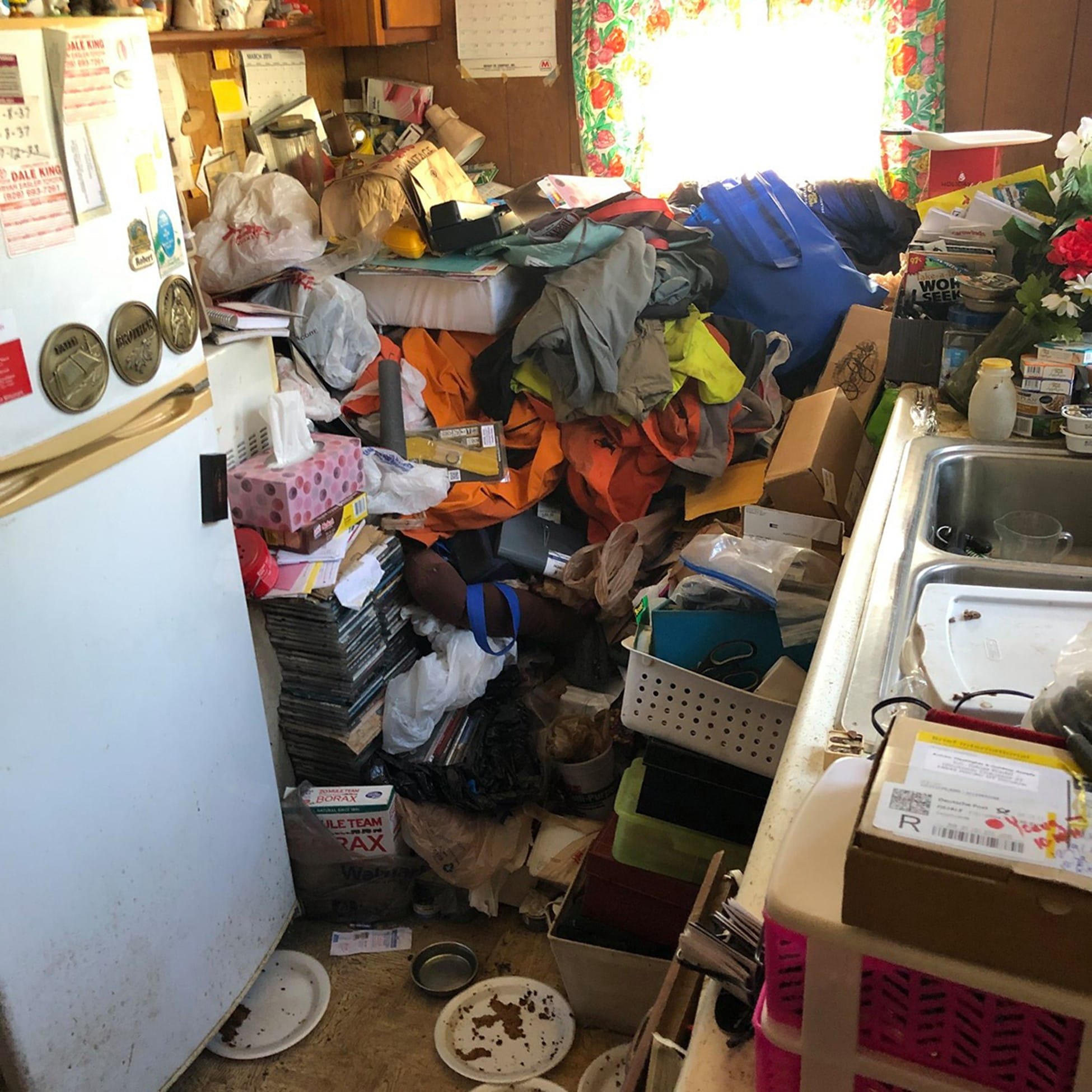
On the outside looking in, you see clutter, chaos, and conditions that are unhealthy and hazardous, such as:
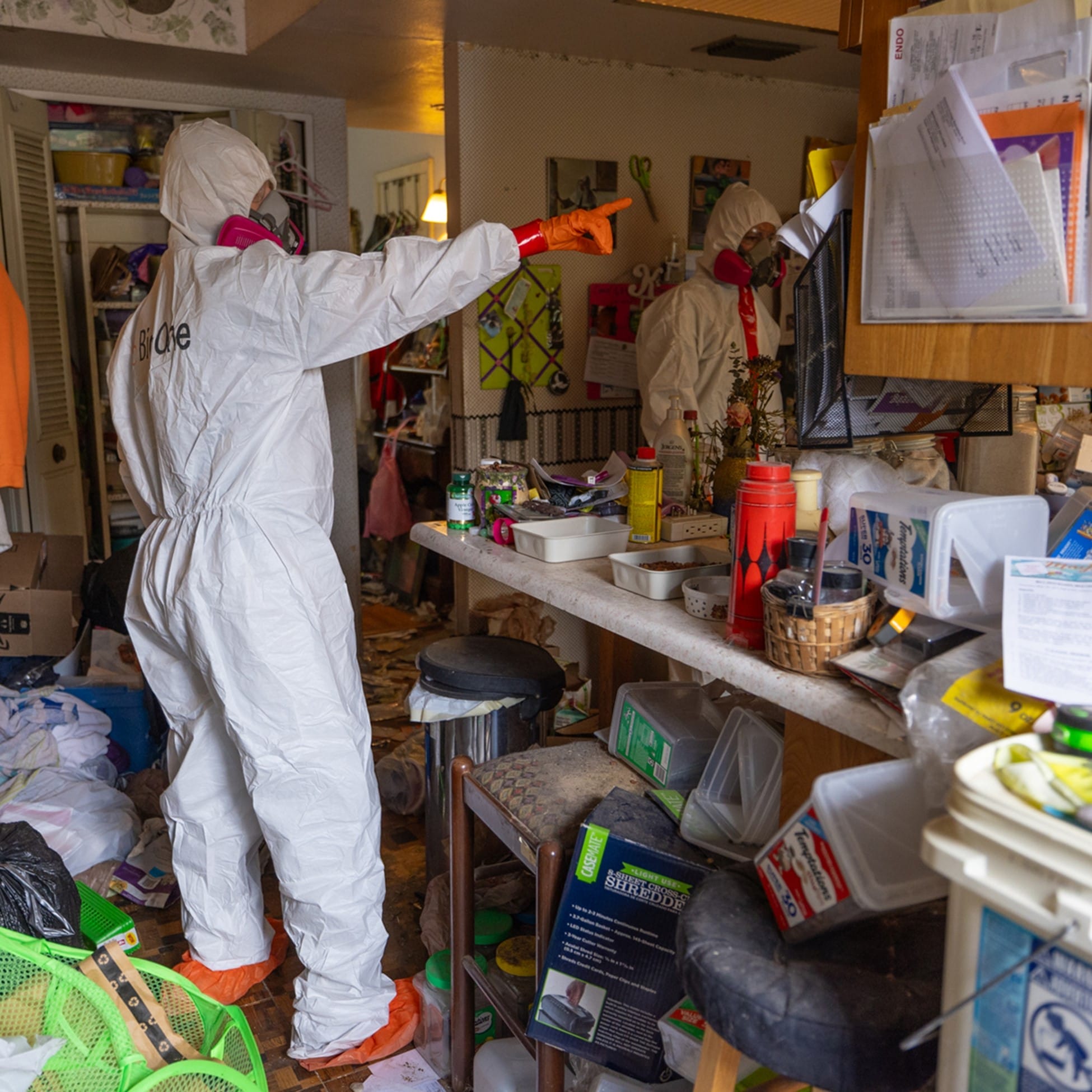
On the inside, however, you see a person—a family member—struggling and probably isn’t consciously choosing to live this way.
Hoarders hoard for various complex reasons, and the exact cause can vary from person to person. Hoarding is recognized as a mental health disorder known as "hoarding disorder."
It's essential to understand that hoarding is not just a matter of being messy or disorganized; it involves deeply ingrained thoughts, behaviors, and emotions.
Some of the primary reasons why hoarders hoard include:
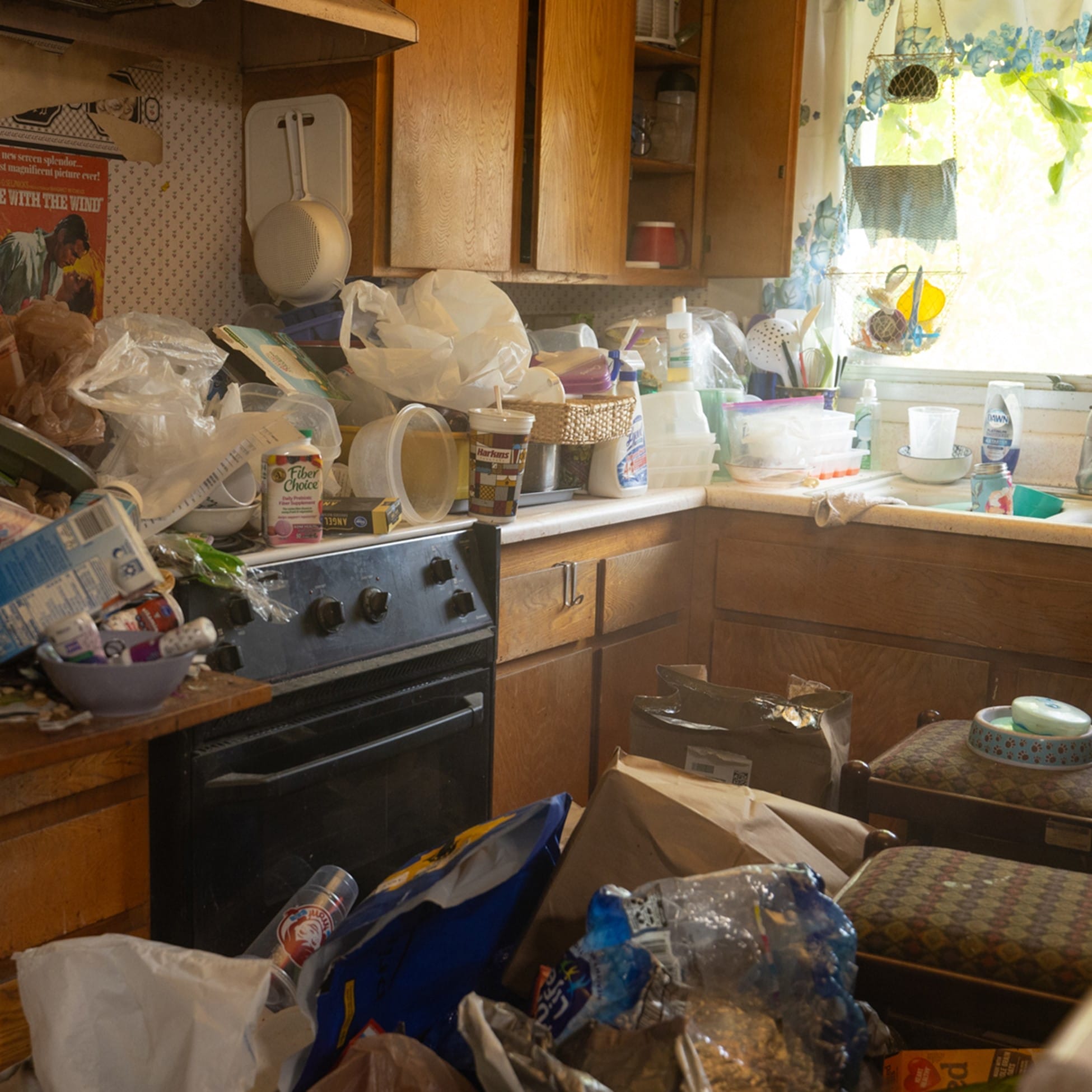
When dealing with hoarding behavior, every experience of trying to help can unfold uniquely, filled with challenges and lessons.
It is not uncommon for the initial attempt to be met with resistance. Hoarding is more than just a clutter issue; it manifests deep-seated emotional, psychological, and sometimes physical struggles. Recognizing this is a crucial first step before embarking on the journey of helping a hoarder.
The journey is rarely linear. There are often setbacks where progress might seem to reverse. Stressful events or emotional lows could trigger this.
Not great, right?
When dealing with a hoarder and cleaning up their belongings, you might experience a range of complex and intense emotions.
Here are some common feelings and emotions you may go through:
It's important to acknowledge that these emotions are normal when dealing with hoarding. Consider seeking therapy or support groups to help manage these feelings and learn effective strategies for assisting your loved one in addressing the hoarding disorder.
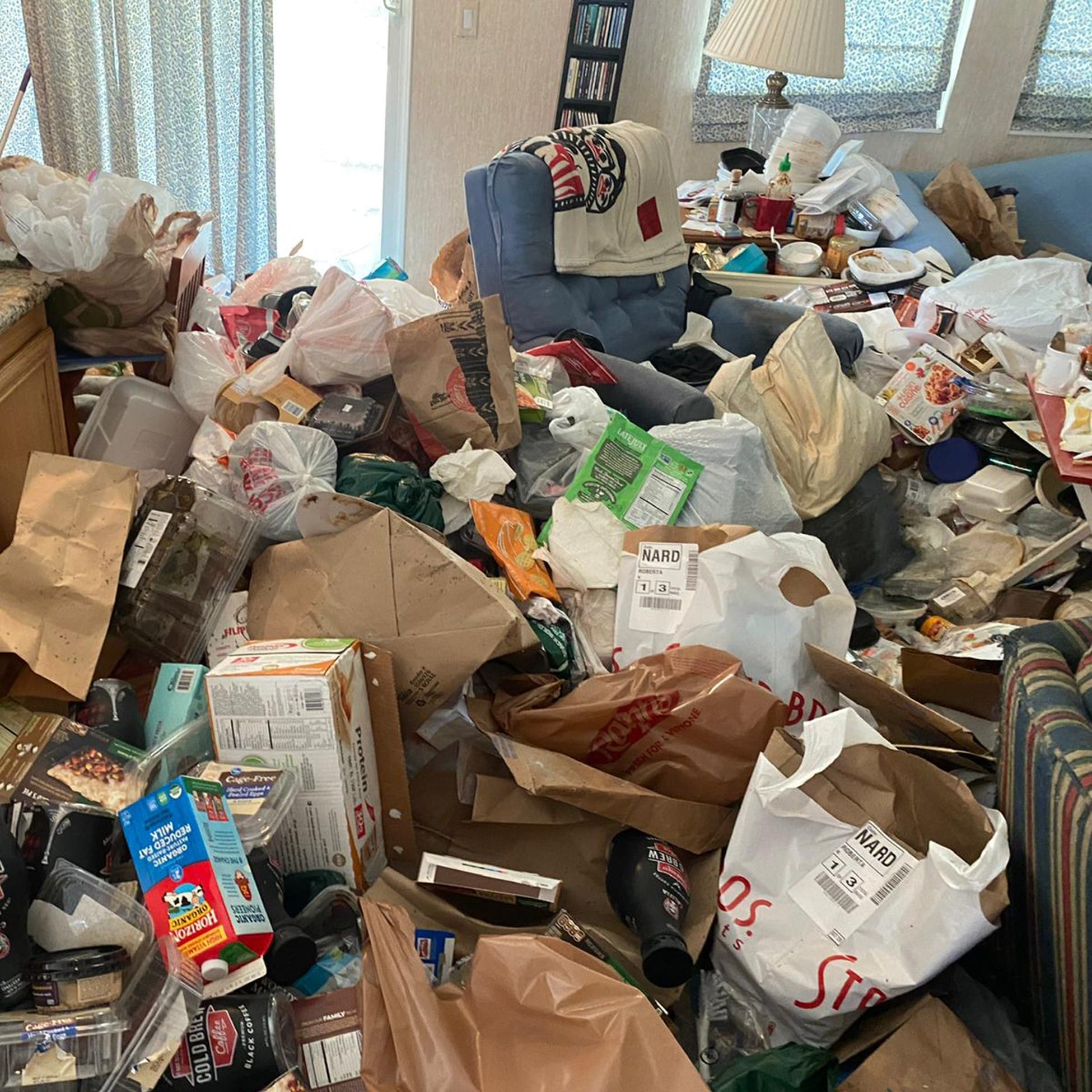
When you approached the hoarder about their hoarding, the hoarder may have experienced a wide range of emotions and reactions.
These can include:
Appraising a hoarder with empathy, understanding, and patience is essential. Hoarding disorder is a complex mental health condition, and hoarders often need professional intervention and support to address their underlying issues.
Consider involving therapists, counselors, or hoarding cleanup specialists to facilitate productive conversations and provide guidance on the path to recovery.
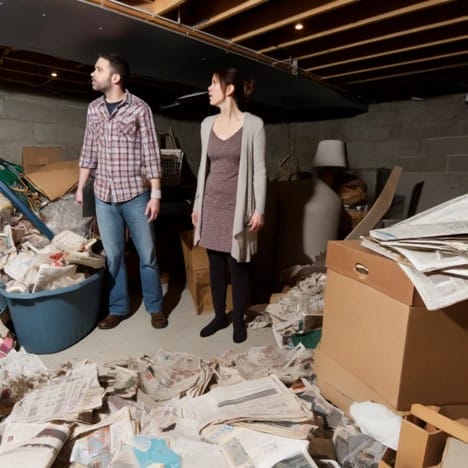
It's essential to understand how to provide support effectively. Hoarding Disorder often leads to a refusal of help, which can be frustrating for family members. To make a difference in your loved one's life, it's crucial to comprehend why they are reluctant to accept assistance.

There are no shortcuts or one-size-fits-all solutions to dealing with hoarding disorder. It's a complex issue with deep-rooted psychological factors and emotional complexities. However, as you've embarked on this journey as a concerned family member or a friend, you've already taken a significant step.
You've shown care, patience, and understanding, and that's commendable. Remember, you're not alone in this journey. There are resources, support groups, and professionals who specialize in hoarding disorder and its treatment.
At Bio-One, we've witnessed countless stories of transformation. We've seen homes go from chaos to cleanliness, and we've watched individuals recover from hoarding disorder.
The key is persistence and empathy. Understand that recovery may be slow, with ups and downs, but every small step counts. Seek professional guidance, involve therapists, and educate yourself about the condition. Your loved one needs your support more than ever.
Ultimately, remember that hoarding is not a reflection of failure but a manifestation of deeper struggles. By approaching it with compassion and determination, you can help your loved one find a path to healing and reclaim their life.
For immediate expert hoarding cleanup service, contact Bio-One of Sacramento today at (916) 833-2461. Your health and peace of mind are our top priorities. Let our professional local team help you restore your environment to a safe and clean condition.
Hoarding cleanup requires specialized training to handle the complexities safely and effectively, such as removing hazardous materials and navigating challenging environments.
Hoarding cleanup involves dealing with large volumes of items, potential hazards, and emotional challenges beyond regular cleaning.
Potential hazards include mold, pests, structural damage, sharp objects, and hazardous chemicals.
While family members may assist, professionals are better equipped with the tools and knowledge to handle hoarding situations safely.
The duration depends on the severity and size of the hoard, but professionals work efficiently to restore safety and cleanliness as quickly as possible.
Professionals aim to conduct the cleanup process respectfully and compassionately, working closely with the homeowner to make informed decisions.
Skilled teams follow strict protocols to safely identify, handle, and dispose of hazardous materials in compliance with regulations.
They often undergo specialized training in handling hazardous materials, biohazards, and cluttered environments to ensure safe and effective cleanup.
Legal issues regarding property rights and safety regulations can arise, so it's vital to consult professionals familiar with them.
A: Approach the situation empathetically and encourage them to seek professional help to assist with the cleanup and any underlying issues.
Losing a loved one is always hard. But when someone passes away alone, it brings extra challenges. Families must handle their grief and difficult decisions about what comes next.
An unattended death—when someone dies without anyone around—can go unnoticed for days or even weeks. This guide will help you understand the risks, the cleanup process, and the emotional steps after such a loss.
Why Unattended Deaths Are So Difficult
When someone passes away alone, several things can happen:

The Hidden Dangers of Unattended Death
When a body decomposes, it releases fluids, bacteria, and gases that can spread disease and damage property. Here’s what families should know:
These risks make professional cleanup a must.
Why You Should Never Attempt Cleanup Yourself
Many people think they can clean up an unattended death themselves. But this is not only dangerous—it can make the situation worse.
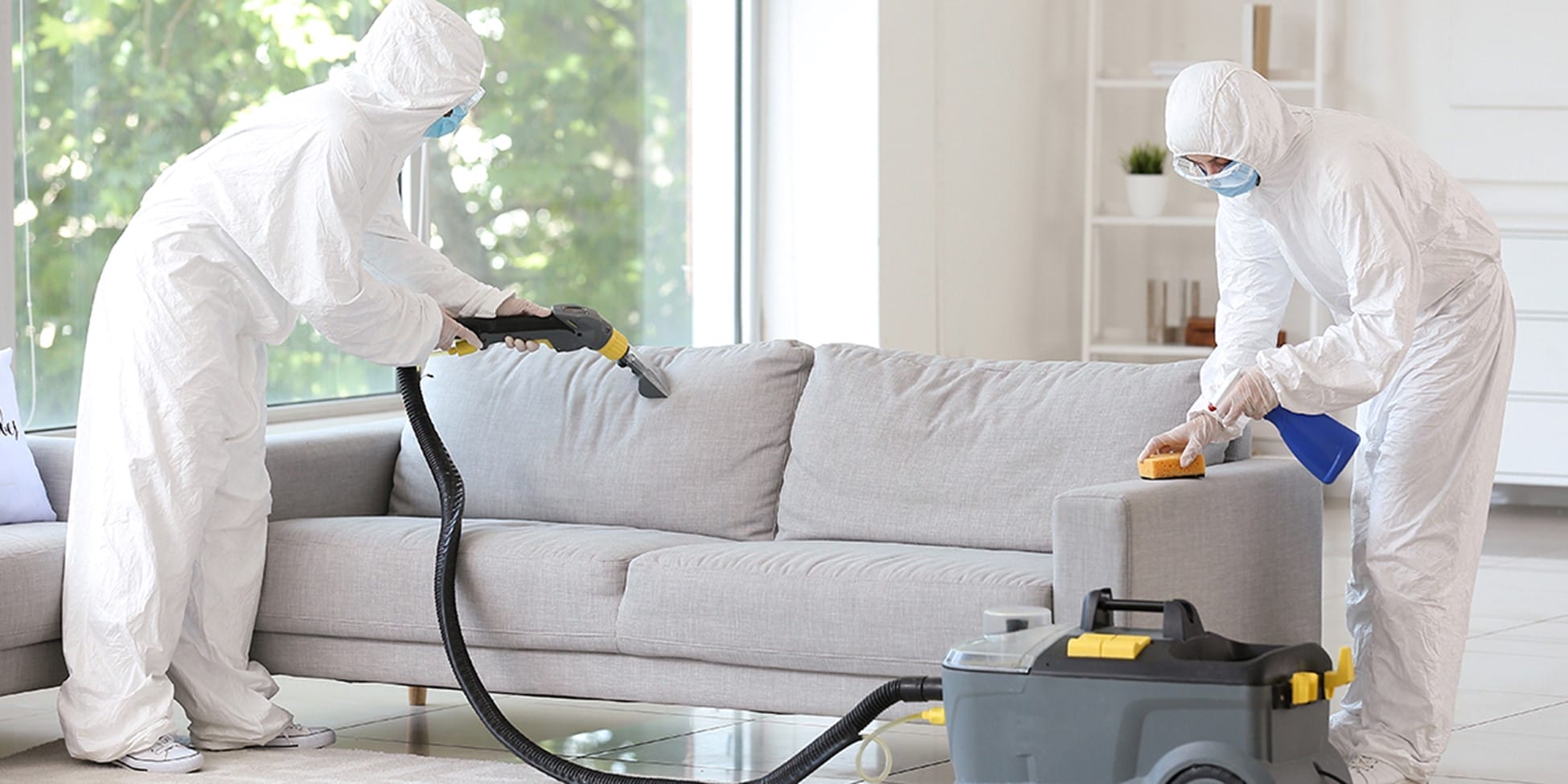
The Role of Bio-One’s Professional Cleanup Services
Hiring a professional Bio-One team helps protect your health, your home, and your well-being. Here’s what they do:
What to Do Immediately After Discovering an Unattended Death

Coping with Grief After an Unattended Death
Grief after an unattended death is different. You may feel shock, guilt, or regret. Healing takes time, but these steps can help:
An unattended death can be devastating, but families don’t have to face it alone. Bio-One can restore the space, while grief counselors and support groups can help with emotional healing.
With time, care, and the proper support, families can begin to heal and move forward while honoring their loved one’s memory.
FAQ
What is an unattended death?
An unattended death is when someone dies without anyone around—it can go unnoticed for days or even weeks.
Why is professional cleanup necessary after an unattended death?
Professional cleanup is essential due to the health risks posed by biohazards, such as bodily fluids and decomposition, which can carry harmful pathogens and contaminate the environment.
What are the health risks associated with an unattended death?
Health risks include exposure to bacteria, bodily fluids, gases, and airborne pathogens, which can lead to infections and other serious health issues if improperly handled.
What property damage can result from an unattended death?
Property damage may include stains and corrosion from bodily fluids, mold, mildew growth, structural damage to floors and walls, and contamination of personal belongings.
Can families attempt to clean up after an unattended death themselves?
It is strongly discouraged. Decomposing bodies poses biohazard risks, and improper cleanup can lead to further contamination and health issues. Certified professionals use their training to handle such situations safely and legally.
How do professional cleanup services handle the biohazards after an unattended death?
Cleanup services use specialized equipment, EPA-approved disinfectants, and personal protective equipment (PPE) to safely remove biohazardous materials and sanitize the affected area.
What steps should families take immediately after discovering an unattended death?
Families should contact local authorities, avoid attempting to clean the area themselves and seek assistance from professional biohazard cleanup services.
How can families cope with the emotional trauma of an unattended death?
Families can seek grief counseling, join support groups, and memorialize their loved one through tributes and ceremonies to help process the loss and begin healing.
How does the cleanup process help families move forward?
By handling the physical cleanup, professionals relieve families of the emotional burden of dealing with biohazards, allowing them to focus on emotional healing and recovery.
What additional support do professional cleanup services provide after an unattended death?
In addition to cleanup, many services offer assistance with insurance claims, provide grief counseling referrals, and help guide families through the emotional and practical challenges of the situation.

For immediate assistance with after-death cleanup, contact Bio-One of Sacramento 24/7 at (916) 833-2461 for discreet, compassionate services. Our local professional cleanup team is proficient and equipped to manage traumatic situations effectively.
In the wake of losing a loved one, the world seems to pause, wrapped in a haze of grief and disbelief.
During this challenging and emotional time, the myriad of tasks and arrangements that need to be handled can feel insurmountable, a mountainous journey that one is ill-prepared to embark upon.
Yet, amidst the sorrow and the pain, these tasks beckon for attention, demanding a semblance of normalcy in a world turned upside down.
While specific circumstances surrounding a death can vary widely — from expected passings after long illnesses to sudden losses that leave us reeling — the essence of what needs to be done in the aftermath shares common threads.
This guide's purpose is not to add to the burden of your loss but to offer a gentle roadmap through the maze of practicalities that follow a loved one’s departure. This checklist serves as a starting point, a foundational guide to navigating the initial steps post-loss.
In the following sections, we will delve deeper into each item on the checklist, providing insights, tips, and resources to assist you at every step. Whether arranging the funeral, handling the deceased’s estate, or simply knowing your rights and the support available, this guide aims to lighten your load and offer clarity amidst confusion.
Let’s embark on this journey together, with compassion and understanding, as we explore the critical first steps after the loss of a loved one.

In the immediate aftermath of a loved one’s passing, one of the first considerations may be their wishes regarding organ donation. Giving can save or enhance the lives of many individuals, making it a significant decision.
Here’s how to proceed:
Begin by looking for official documentation indicating the deceased’s organ donation wishes. This is often found on a driver’s license, where a small symbol signifies their consent to be an organ donor. Additionally, an advanced healthcare directive or living will might contain specific instructions regarding organ donation.
If you discover that your loved one is an organ donor, it’s crucial to inform first responders, nurses, or doctors immediately. The timing is critical for organ donation, and healthcare professionals need to know as soon as possible to preserve the organs’ viability.
Organ donation is handled with the utmost respect and care for the donor and their family. It’s helpful to familiarize yourself with the process, including additional consent forms, discussions about which organs or tissues can be donated, and the steps involved in the donation procedure.
While it’s a profoundly personal decision, understanding the impact of organ donation can offer some comfort during this difficult time. Each organ donor can save up to eight lives, while tissue donations can significantly improve the lives of up to 75 people.
Making decisions about organ donation during a time of grief can be overwhelming. Don’t hesitate to seek support from hospital staff, organ donation organizations, or a trusted advisor who can provide information and guidance.
Ultimately, the decision to donate organs should align with the wishes of the deceased. If they had not expressed a decision about organ donation, the responsibility falls to the next of kin to make the decision, keeping in mind what they believe their loved one would have wanted.

When a loved one passes away at home without medical supervision, it’s crucial to know the immediate steps to take. This not only ensures that their death is legally documented but also that you’re guided through the initial stages of managing their passing.
Here’s what to do:
If the death was unexpected, your first step should be to call emergency services (911 in the United States). They will dispatch the necessary personnel to your location.
Clearly explain the situation to the operator, stating that your loved one has passed away at home and there was no medical supervision at the time of death. Provide any details about the deceased’s medical history or circumstances leading to their death that might be relevant.
The operator may provide specific instructions for you to follow. This could include not moving the deceased’s body or attempting to resuscitate if it’s clear the individual has passed away.
In many cases, especially if the death was unexpected, the police and medical personnel will be dispatched to the scene. They are involved in ensuring no foul play and documenting the occurrence officially.
Depending on the jurisdiction and circumstances of the death, a medical examiner or coroner may need to examine the body. If this is necessary, emergency services or the police will coordinate it.
The authorities on the scene will help guide you through the initial documentation needed. This might include a legal pronouncement of death, which is essential for funeral arrangements and the execution of the deceased’s will, and other legal matters.
Don’t hesitate to ask the responding authorities any questions you may have about the process. They can guide you through the immediate next steps, including who to contact next and how to handle the deceased’s body respectfully.
It’s understandably a highly emotional time, but try to remain calm and respectful as the authorities do their job. They are there to help you through this challenging moment and ensure everything is handled correctly and with dignity.

In the immediate aftermath of a loved one’s passing, ensuring the well-being of any dependents — whether children, elderly family members, or pets — is paramount. This adjustment period is critical, and managing their immediate needs with compassion and efficiency can help alleviate the stress during this challenging time.
Here’s how to approach it:
Finding a safe and comforting environment is essential if children are affected by the loss. Reach out to a close family member, friend, or caregiver whom the children know and trust. This person should be capable of providing care for at least 24–48 hours, allowing you time to manage immediate arrangements without added worry.
Depending on the children’s age, explain what has happened in a manner that is sensitive and appropriate for their understanding. Assure that they are being taken care of and that you will be there for them.
Consider these when making arrangements if the deceased had expressed specific wishes regarding who should care for their dependents or if unique family dynamics are at play. It’s important to honor these wishes as much as possible, provided they align with the best interest of the dependents.
Pets also feel the loss and may become anxious or stressed during this time. Arrange for them to stay with a friend, family member, or a pet care service that can give them the attention and care they need. Ensure the caregiver is informed about the pet’s routines, dietary needs, and medical conditions.
Ensure the temporary caregiver has all necessary information for children or pets, including emergency contact numbers, medical records, dietary restrictions, and favorite toys or comfort items. This helps maintain a sense of normalcy and comfort.
Ensure the children and the caregiver can reach you if needed. Open communication is critical to ensuring the dependents feel supported and cared for, even in your absence.
Use this time to start thinking about any long-term arrangements that might need to be made for the dependents’ care and well-being, especially in light of the family’s loss.

The task of informing others about the passing of a loved one is both delicate and necessary. It’s a step that invites support and shared grief but can also be emotionally taxing. Prioritizing who to contact immediately and who can wait is crucial in managing this task without becoming overwhelmed.
Here’s how to approach it:
Begin by contacting those closest to the deceased — spouses, children, siblings, and best friends. These individuals should hear the news from you directly rather than through social media or other indirect means.
For those in the closest circle, phone calls are the most personal and respectful way to convey the news. They allow for an immediate, compassionate exchange and offer an opportunity for mutual support.
If you find the task too overwhelming to manage, it is okay to ask a trusted family member or friend to help notify others. Choose someone close to the deceased who can handle the task with sensitivity.
After informing the immediate circle, list other friends, distant family members, colleagues, and acquaintances to contact. Organizing this list by priority or relation can help streamline the process.
Consider using email, text messages, or social media for the broader circle, especially if you need to notify a large group. A carefully worded message that conveys the news with respect can be appropriate. Remember to ask for discretion in spreading the news until all close family and friends have been personally informed.
People process grief in various ways. Be prepared for a range of emotions from those you notify, from shock and denial to immediate grief. Offer support where you can, and understand if some need space to process the news.
If funeral or memorial service details are available and you feel appropriate, you can share this information with those you notify. Otherwise, let them know that details will follow once arrangements have been made.
Remember notifying others also reminds you of your loss. It’s emotionally draining, so take breaks as needed and lean on others for support during this process.
Securing a legal pronouncement of death is a necessary formal step in the process following a loved one’s passing. This official declaration is the first legal recognition of death and is essential for many subsequent tasks, from arranging the funeral to settling the estate.
Here’s how to navigate this process:
A medical professional is responsible for pronouncing death. If the death occurred in a hospital or hospice, the attending physician would make the pronouncement. In cases where death occurs at home without medical supervision, a qualified professional such as a coroner or medical examiner may need to be involved.
Contact the attending physician, the hospital, or your local medical examiner’s office to obtain a legal pronouncement depending on where and how the death occurred.
Primarily, suppose the death occurred outside of a medical facility. In that case, the body might need to be examined by the medical examiner or coroner to determine the cause of death before a pronouncement can be made.
Once a death has been legally pronounced, you can request official death certificates from the hospital, physician, or your local vital records office or health department. These documents are crucial for many next steps in managing your loved one’s affairs.
Many institutions require an original death certificate to process changes after death (e.g., banks, insurance companies, and government agencies). Estimate how many copies you need and request them upfront to avoid delays. It’s not uncommon to need 10 or more copies.
The process for obtaining a legal pronouncement of death can vary significantly by location, especially regarding who is authorized to make the pronouncement and issue death certificates. Familiarize yourself with local laws and procedures to ensure compliance.
There may be a fee for each copy of the death certificate. While the initial cost might seem minor, it can add up if you require many copies. Plan for this expense in your budget.
Transparent and respectful communication can help streamline interactions with medical or government officials. Remember, these professionals are accustomed to assisting individuals in your situation and can often provide additional guidance.
In the immediate aftermath of losing a loved one, having a support system in place is crucial for both emotional and practical support. Grieving is a deeply personal process, yet it’s important to remember you don’t have to navigate this difficult time alone.
Here’s how to establish and utilize a support system effectively:
Identify family members and friends who can offer you emotional and practical support. Think about those who have been there for you in past times of need and who you feel comfortable relying on now.
Be open with your support network about what you’re going through and how they can help. Let them know whether you need someone to listen, help with funeral arrangements, or manage daily tasks like cooking or childcare.
Many tasks must be completed after a loved one’s death, from funeral arrangements to notifying banks. Divide these tasks among your support network based on each person’s strengths and availability. This approach helps manage the workload and allows everyone to contribute meaningfully.
Grief counselors, therapists, and support groups specialize in helping people navigate the complexities of grief. Don’t hesitate to reach out to these professionals for support. They can offer coping strategies, a compassionate ear, and a safe space to express your feelings.
Many communities have resources for grieving people, including support groups, workshops, and seminars. These resources can provide additional support and connections with others experiencing similar losses.
Sometimes, help comes from unexpected places. If someone offers assistance, consider accepting it. Whether a neighbor offering a meal or a colleague willing to handle some of your responsibilities, these gestures can provide significant relief.
Remember that taking care of yourself is not selfish. Grief can be physically and emotionally exhausting, so eating well, getting enough rest, and engaging in activities that nurture your well-being is crucial.
In moments of deep grief, it might be tempting to isolate yourself. However, staying connected with others, even in small ways, can provide a lifeline during this time. Regular check-ins with friends, family, or a support group can make a difference.
It’s essential to acknowledge the road you’ve embarked upon following the loss of a loved one. The journey through grief is deeply personal, marked by moments of profound sadness, reflection, and, eventually, healing. While the steps outlined in this guide aim to navigate the practical aspects of this journey, remember that the emotional and spiritual journey is equally important.
You may find moments of peace, healing, and hope as you continue your journey. Your loved one’s memory will always be a part of you, shaping your journey in ways seen and unseen. Embrace the journey ahead, with its myriad of emotions, as a testament to the love you shared and the resilience within you.
For immediate assistance with after-death cleanup, contact Bio-One of Sacramento 24/7 at (916) 833-2461 for discreet, compassionate services. Our local professional cleanup team is proficient and equipped to manage traumatic situations effectively.
Resources For Those Left Behind After a Suicide Click here for suicide prevention and postvention resources.