
The aftermath of a hoarding environment is usually filled with unexpected challenges and a massive amount of clutter. Whether you are facing the daunting task of deep cleaning your own home or helping a loved one recovering from hoarding, it's important to have a clear plan and approach to tackle the situation effectively. If you ever wondered 'Can hoarding be cured?' the answer is yes, but it requires a lot of effort and patience. Here are some tips to help you get started.
Disclaimer: Please note that while we provide this information as a service to the community, we operate as a professional hoarding cleanup company. Our aim is to educate and inform readers about the potential dangers and health risks associated with hoarded homes. Our expertise and experience in this field guide our insights and recommendations throughout this guide.
Before diving into the cleaning process, it's important to take a step back and assess the situation. This will not only help you plan accordingly, but it will also give you a better understanding of the level of hoarding and potential hazards present in the home. Here are some important factors to consider:
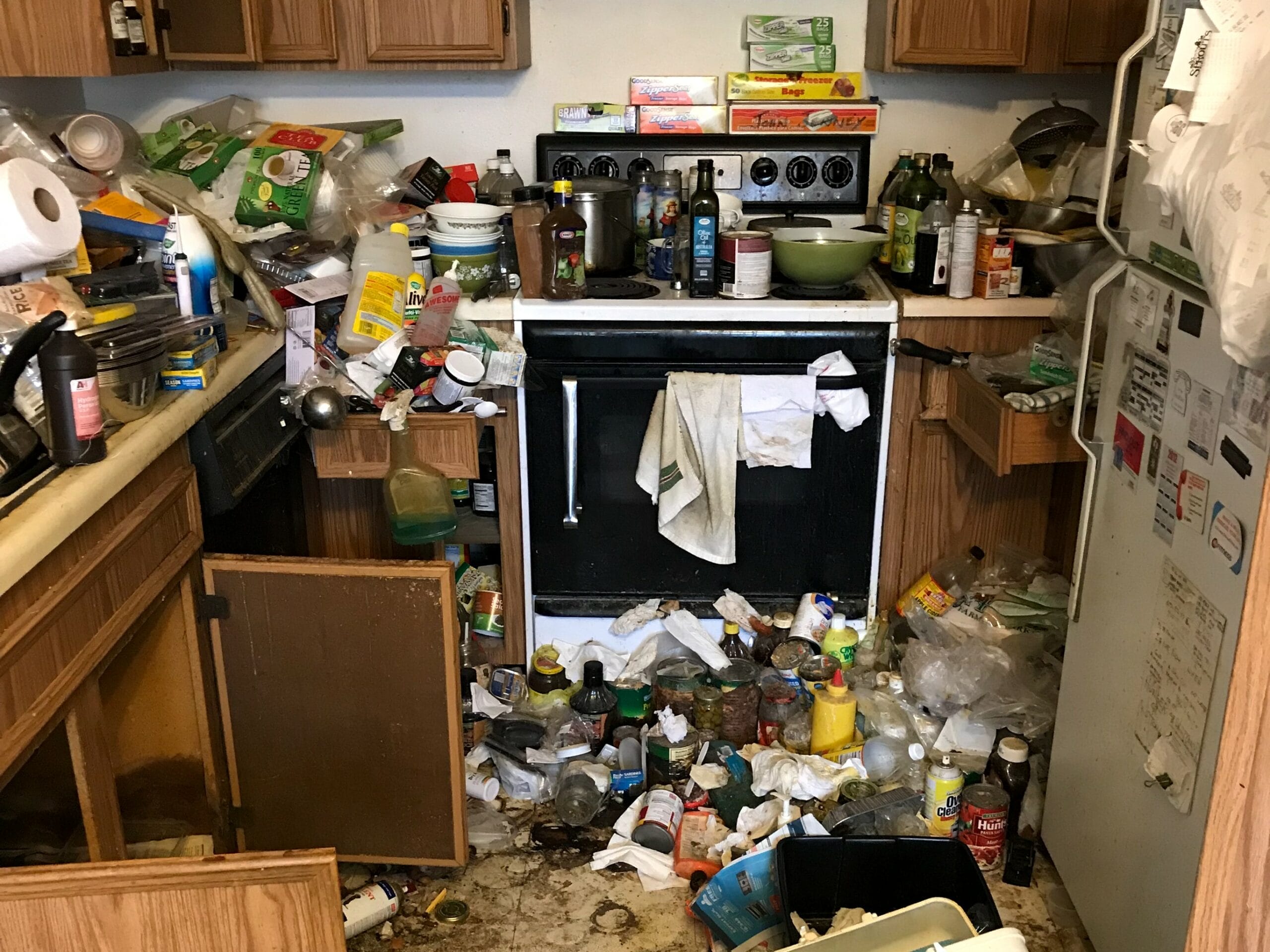
Hoarding is often a coping mechanism for individuals who are struggling with mental health issues or traumatic events in their lives. It's important to remember that the hoarder may feel a strong attachment to their possessions and may have difficulty letting go.
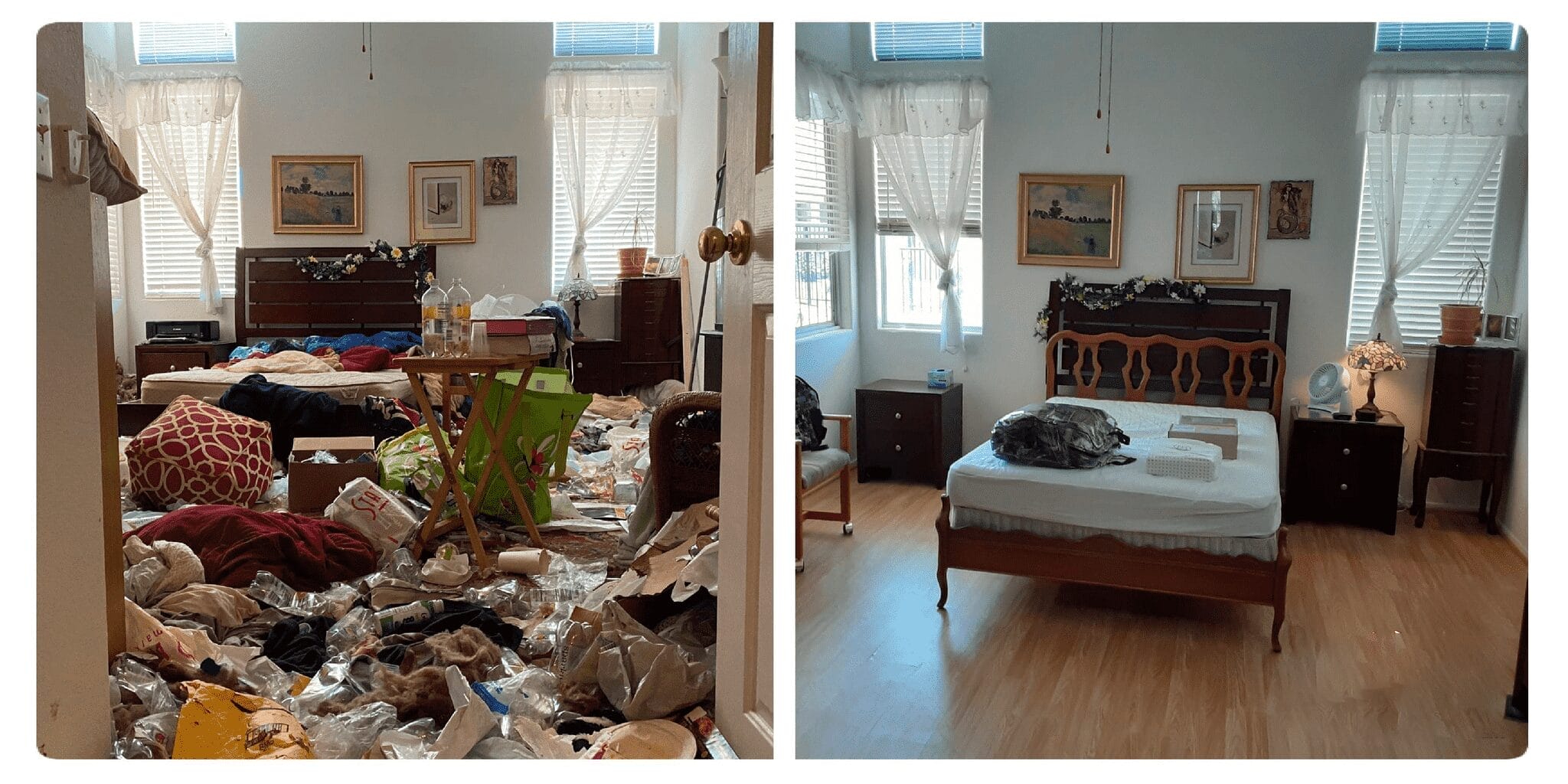
1. Sorting and Organizing
Begin with one room or a specific area, sorting items into previously determined categories. This phase is often the most time-consuming but is critical for a thorough clean-up. Use labeling systems and keep an inventory if necessary to track progress and facilitate decision-making.
2. Cleaning Strategies
Once items have been sorted, the actual cleaning can commence. This involves dusting, vacuuming, and decontaminating surfaces that may have been untouched for years. For professional organizers, investing in high-quality cleaning supplies and equipment can significantly expedite this process.
3. Addressing Repairs
In many hoarded homes, the accumulation of items can conceal damage to the property. Assess for any needed repairs and address these issues promptly to prevent further deterioration of the home environment.
Feel free to review an effective guide on how to clean up a hoarder's house, by our friends at Bio-One of Pittsburgh.
Whether you're a professional organizer, a mental health advocate, or a homeowner looking to support a loved one, your efforts can make a significant difference in someone's life. Bio-One of Sacramento offers compassionate hoarding cleanup services and supports everyone throughout the entire process.

If you live in Sacramento County and the surrounding areas, give us a call for a free, no-obligation estimate. If you live in a different area, you can still contact us to connect you with a Bio-One location near you!

The common misconception about hoarding is that it's a lifestyle choice, something recyclers do. This is a gross misunderstanding. Hoarding goes beyond mere clutter. It's a diagnosable mental health condition, cloaked in an accumulation of items that most of us would discard as junk.
Deep-seated fears and traumas often root the behavior of hoarders, not merely a byproduct of consumer culture gone awry. Anxiety over potential future needs, attachment to objects as a stabilizing force, or a primal drive to gather and protect resources might all contribute to their actions. These psychological intricacies manifest into mountains of things that bear tremendous significance to the hoarder.
The household of a hoarder is much more than just untidy; it's a labyrinth where forgotten treasures and daily necessities are lost within an often-impassable terrain of belongings. Beyond the clear physical hazards that include the risk of fire and the accumulation of unsanitary conditions, we must also be mindful of the emotional turmoil ahead.
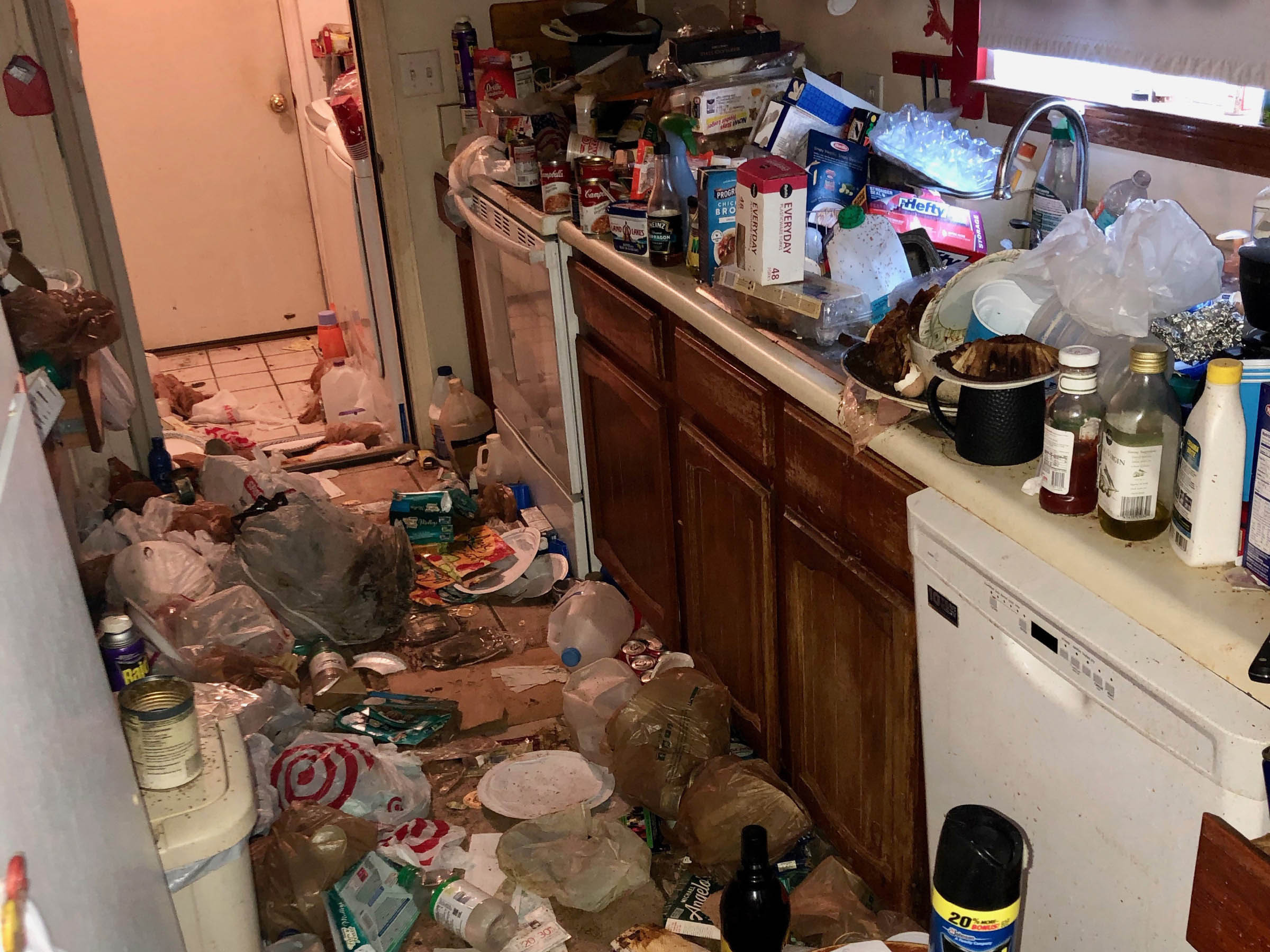
Every item in the hoarder's home carries a story for them, embedding a value that intertwines with their identity and memories. The mental fortitude required to part with these items in a traditional cleanup is nothing short of monumental. Traditional cleanup methods, typically involving swift and thorough disposal of 'clutter,' are not designed to accommodate the delicate, protracted process often required in hoarding situations.
Conventional cleanup approaches are often abrupt and unsympathetic. Family members or professional organizations may descend upon the home, enforcing a logic of 'when in doubt, throw it out.' However, this approach rarely addresses the root causes of hoarding and can, in fact, exacerbate the anxiety that leads to hoarding behaviors in the first place.
At Bio-One, we advocate for a patient approach that recognizes the individual's rights and emotions surrounding their possessions. This method involves slowly building the trust necessary for the hoarder to make progress. It respects the emotional connection that individuals may have to their items and acknowledges that 'cleanliness' isn't merely the absence of items; it's about reclaiming a sense of control in their home without aggravating their mental anguish.

Each discarded item represents not just a forgotten piece of junk, but a significant step in a hoarder's therapeutic progress. It signifies a leap of faith in believing that the world won't crumble when parting with something important to them. We should neither shortcut this understanding and patience in the process nor should we confuse it with condoning the situation.
Rather, they form the solid bedrock upon which the hoarder can start to rebuild a healthier relationship with not just their possessions but with themselves.
The personal battles hoarders face are as real and formidable as the mounds of items they guard. It is essential in these instances to recognize that true healing begins with empathy and progresses through patience. While the cleanup may take more time and can be an arduous path, it's the only one that genuinely leads to a sustainable, positive change.

For those in need, do not hesitate to seek or accept help. For those ready to extend a hand, remember, that patience isn't the absence of action. It's a wise response that nurtures both the hoarder's needs and the end goal of a clean, manageable home. Our team is ready to provide discreet, and efficient services to help you on the road to recovery.
Amidst all the buzz in popular culture, 'hoarding' and 'collecting' remain psychological and behavioral phenomena that are often misunderstood and frequently mislabeled. This blog post is not just about the clutter you see on reality TV, but about the individuals behind it, the families they are part of, and the professionals trying to help. Whether you own rooms full of items or a carefully curated collection, understanding the psychological aspects of these behaviors is crucial.
At first glance, the distinction between hoarding and collecting seems clear as day.
Take, for example, stamp collectors, bibliophiles, or antique enthusiasts. Their collections can tell stories of history, culture, and personal journeys. Collections give a sense of identity, community, and passion often derived from the wisdom of actively seeking, selecting, and nurturing this fascination.

In contrast, hoarding can manifest in many ways, from the 'just in case' mentality to avoiding wastefulness or feeling personally connected to each item. The tipping point is when this behavior cuts off pathways within a home, leading to unsafe and sometimes life-threatening conditions.
How can friends and family distinguish between a harmless collection and a growing hoard? Understanding the signs is paramount, as early intervention can be extremely beneficial.
The psychology behind hoarding behavior often involves overvaluing items, representing safety, identity, or an extension of the self. These items are not merely possessions; they are 'liberators' of sorts, imbued with a sense of being an integral part of their owner.

Apart from the physical implications of living in clutter, there are profound emotional impacts that can unfold over time.
For individuals struggling with hoarding, there is hope. And for those whose lives are impacted by hoarding, understanding and support are key.
Learn more: Hoarding Help for Families: 5 Ways to Approach a Loved One
Bio-One's trained specialists are not just cleaners; we are part of the community. We bring a unique, compassionate approach to hoarding cleanup and understand the need for delicate treatment of the individual and their belongings.

In the end, it's important to remember that whether it's through amassed objects or carefully curated collections, people find ways to create meaning and solace. But when that meaning begins to hinder life, it may be time to reevaluate the role of possessions in our lives. The distinctions between hoarding and collecting can become blurred but a path to recovery is always possible.

Animal hoarding is a serious challenge to confront. Let's take a closer look at the signs of animal hoarding behavior and ways to provide help and support for those dealing with this issue.
Disclaimer: Please note that we are a hoarding cleanup company and not mental health professionals. Our insights into animal hoarding behavior are based on our experiences in cleanup and restoration. While we aim to provide support and resources, it's crucial to consult with mental health professionals for diagnosis and treatment. We do, however, have resources to help those struggling to connect with the right organizations for animal welfare and mental health assessment.
Animal hoarding is characterized by a person's significant failure to provide minimal standards of nutrition, sanitation, shelter, and veterinary care for the animals they house, as well as their inability to recognize the effects of that failure on the health of the animals, the environment, and their well-being.

One of the most evident signs of animal hoarding is an excessive number of animals. Often, it is far beyond the typical means of care for a reasonable person. This is sometimes accompanied by an inability or unwillingness to recognize the need or symptoms of the animals' suffering.
Hoarders frequently have households that deteriorate into deplorable living conditions, both for the animals and the humans residing there. Stagnant water, clutter, and untreated waste are common in hoarding environments, creating hazardous conditions for everyone.

A hoarder's inability to recognize the dire need for veterinary care within their multitude of pets is a distressing aspect of hoarding behavior. Untreated illnesses and diseases can quickly spread among the animals in such close quarters.
Social isolation is common, as hoarders may be in denial about the severity of their situation and refuse help. Confronting hoarders with interventions can be incredibly challenging and may require the support of professionals and outside resources.
The effects of animal hoarding on the animals themselves are often heartbreaking. Not only do they face the physical deterioration of their living conditions, but they also suffer from a range of health issues, behavioral problems, and emotional distress.
The sheer volume of animals in hoarding situations can lead to aggressive, fearful, or excessively shy behaviors brought on by stress and lack of socialization. These behaviors also make it less likely for the animals to be adopted into loving homes if and when rescuers remove them from such situations.

Additionally, animals who live in hoarding environments are often deprived of the affection, attention, and mental stimulation necessary for their emotional well-being. The constant state of stress and anxiety due to their living conditions can have lasting effects on their mental state and behavior.
Here are several ways to help those affected by animal hoarding and the animals in their care:
Education and awareness are crucial in identifying animal hoarding behavior. Recognizing the signs early allows for the provision of intervention and support to improve the lives of the hoarder and their animals.
Local animal shelters, humane societies, or rescue groups often have protocols in place for handling animal hoarding cases. They can provide expertise in managing the removal and housing of the animals in distress.

Once hoarding behavior is identified, it's important to offer the hoarder support in the form of therapeutic services, including hoarding-specific therapy. It's vital to address the underlying mental health issues that often contribute to this behavior.
Hoarder homes are often unsanitary and hazardous for both humans and animals. Contacting a professional hoarding cleanup company specialized in hoarding situations can ensure the safety of everyone involved.
By recognizing the subtle signs of animal hoarding and being proactive in helping, we can make a significant difference in the lives of both the hoarders and the animals they care for or are unable to properly care for. We do hope this article serves as a starting point for taking action!

If you need assistance with animal hoarding cleanup, Bio-One of Sacramento offers professional and compassionate services to support everyone dealing with the often gruesome aftermath of animal hoarding. Contact us today to learn more about how we can help!

Biosafety levels (BSL) are the building blocks of safe laboratory and facility practices, governing the types of procedures and protections required when handling dangerous pathogens. Let's break down the definitions, requirements, and applications of the four biosafety levels, providing a valuable resource for officers, public health professionals, and anyone curious about health and safety in the face of pathogens and diseases.
Biosafety levels outline a systematic approach to mitigate risks associated with pathogens and ensure that individuals and the environment are protected. It's a critical piece of the public health puzzle, particularly in the face of emerging infectious diseases and pandemics.
At the start of our biosafety journey is BSL 1, which is characterized by minimal hazard and basic laboratory protocol. It's the equivalent of what you might find in a high school biology class — a place where low-risk agents are handled with minimal requirements for personal protective equipment (PPE) and standard hygiene.

BSL 1 laboratories focus on microorganisms not known to cause disease in healthy humans and whose potential for hazard is low. In these settings, open bench work can be performed, and laboratory doors need not be locked. The emphasis is on good microbiological practices, such as handwashing and cleaning, to prevent accidental exposure.
Some examples of agents typically handled at BSL 1 are non-pathogenic strains of E. coli and Bacillus subtilis. The key to BSL 1 is recognizing that potential risk exists, albeit minimal, and that mitigating those risks is the foundation of all biosafety work.
BSL 2 marks the increased risk and complexity of working with moderately hazardous agents that can pose a threat if inhaled, ingested, or cause skin exposure. This level requires more stringent controls and enhanced awareness of potential risks.
At this level, laboratory personnel have specific training in handling the agents they work with safely. These agents, while not typically community-acquired, can cause disease if accidentally exposed to lab workers. Imposing physical barriers, such as gloves and eyewear, becomes more necessary in BSL 2 facilities.
Pathogens handled here include Staphylococcus aureus, Salmonella, and hepatitis viruses. BSL 2 practices mandate restricted access to the lab, and procedures that minimize the creation of aerosols.

Facilities must have controlled access and separate areas for decontamination to prevent the escape of airborne pathogens. Work at BSL 3 is often carried out in specialized, high-containment laboratories, with researchers required to wear protective equipment, including respirators.
Agents worked with under BSL 3 conditions include the bacteria that cause tuberculosis and Q fever. The overarching theme at this level is the need for both physical containment and practices to minimize risks associated with serious illness.

BSL 4 labs handle the most dangerous and exotic pathogens, some of which are life-threatening and for which there are no known cures or vaccines. The level of caution and infrastructure required to reach their zenith, reflecting the severity of the risks involved.
BSL 4 is not only about personal protection — it's also about facility-related safety. Airflow is meticulously regulated to prevent the escape of pathogens, and self-contained suits with a segregated air supply.
Pathogens like Ebola, Lassa, and Marburg viruses are studied in BSL 4 labs. Containment is complete and rigorous, with no room for errors or exposure to the broader community.
Must read: Recognizing the Biosafety Levels - Centers for Disease Control and Prevention

Beyond laboratory settings, biosafety levels influence broader public health practices. When an emerging pathogen is identified, it's essential to quickly categorize its risk and the biosafety level for managing it. This is the work of public health professionals, who must consider how to communicate and implement these levels in a community.
Biosafety officers are the architects who design and implement the biosafety levels within organizations.
Whether we're in a laboratory setting, a hospital, or responding to a pandemic, the principles of BSL serve as our guide. When it comes to biohazard safety in real-world incidents, professional cleanup services like Bio-One of Sacramento stand ready to assist individuals, businesses, and communities.
Our team's experience and adherence to BSL can be the difference between containment and a wider-spread hazard. Whether dealing with trauma scenes, infectious diseases, or hazardous waste issues, Bio-One provides a critical service in protecting public health. If you find yourself dealing with a biohazard emergency, contact us immediately!

Hoarding, a complex psychological condition often misunderstood and stigmatized, can quietly weave its way into the lives of those we love. While it's easy to assume that hoarding is a rare and distant issue, the reality is that it affects millions of Americans, with profound repercussions on physical health, emotional well-being, and relationships. Take a look as we explore the signs of hoarding behavior, not only as a resource for professionals in the field but for friends, loved ones, and anybody seeking to understand and support individuals facing hoarding challenges.
Please note that while we are highly experienced in hoarding cleanup and the challenges it presents, we are not mental health professionals. Our insights into hoarding behavior stem from our extensive field experience and are meant to aid in recognition and support, not to replace professional mental health advice or treatment.
Hoarding Disorder, recognized as a distinct diagnosis in 2013 by the Diagnostic and Statistical Manual of Mental Disorders, Fifth Edition (DSM-5), describes individuals with persistent difficulty parting with possessions, regardless of their actual value. For a diagnosis to be made, these behaviors must cause significant distress or impairment in functioning.
It's crucial to distinguish between hoarding and collecting. Both involve a significant acquisition of certain items but collecting typically involves a systematic search and organized display. In contrast, hoarding is associated with a disorganized pile-up in living spaces, creating safety and health hazards.

Understanding the signs of hoarding behavior can be a crucial step in identifying when a friend or loved one may be struggling:
The most apparent sign is the excessive gathering of items, often of perceived value, where living spaces have little to no room for typical use.
People with Hoarding Disorder have an intense emotional attachment to their possessions, making it exceedingly difficult for them to discard anything, even trash.
Hoarding often leads to the accumulation of clutter, which can render the house a hazardous environment, increasing the risk of falls, fire, and unsanitary conditions.
The thought of disposing of anything can cause severe anxiety, to the point where individuals may avoid it altogether, contributing to the clutter's buildup.

The effects of hoarding on individuals and relationships can be severe and far-reaching:
Living in cluttered environments can lead to health issues, including respiratory problems, allergies, and increased risk of infestations.
You may be interested: Common Hazards in Hoarded Houses & How Bio-One Can Help
Individuals with Hoarding Disorder often feel shame about their living conditions, which often results in social withdrawal, loneliness, and a lack of support.
Hoarding behavior can strain even the most robust relationships, as loved ones struggle to understand and cope with the consequences of hoarding.
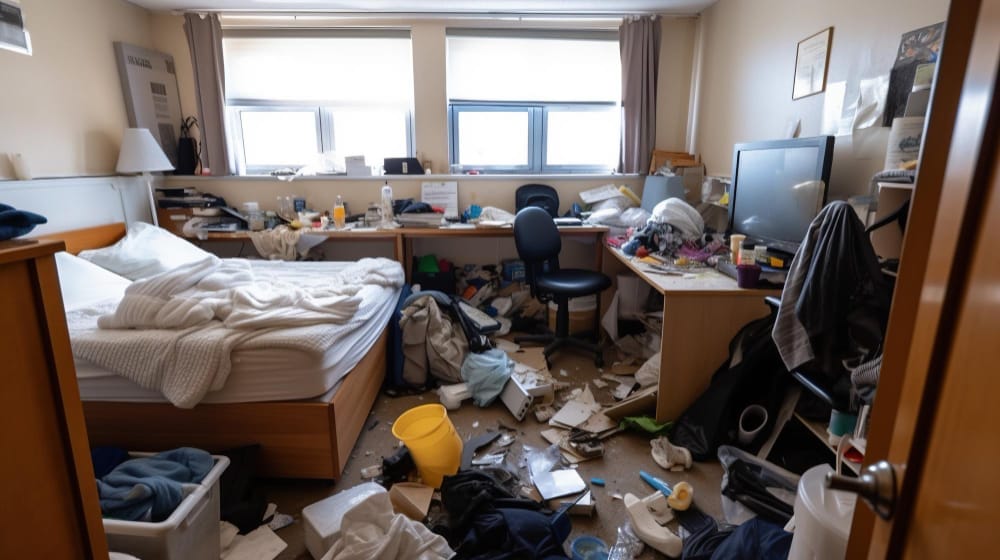
Approach the conversation with empathy and a nonjudgmental attitude. Focus on expressing concern and love rather than criticism, but be firm in your desire to help and support them.
Suggest seeking professional assistance. Mental health experts can provide the necessary diagnosis, therapy, and tools for managing the signs of hoarding behavior effectively.
Cognitive-behavioral therapy (CBT) is a leading treatment for hoarding. CBT aims to help individuals understand and change their thoughts and behaviors related to acquiring and discarding items. Medication might also be recommended to manage any underlying anxiety or depression.
Learn more about the common hoarding treatment options by visiting Bio-One of Poway's latest guide on managing hoarding: Treatment for Hoarding Disorder: Finding Hope Amidst The Chaos
While recognizing the signs of hoarding behavior is a significant step, it's equally important to know that professional support and understanding can make a significant difference. At Bio-One of Sacramento, where we specialize in hoarding cleanup services, we not only offer a service but also a compassionate approach to restoring safe and livable homes for those dealing with hoarding.
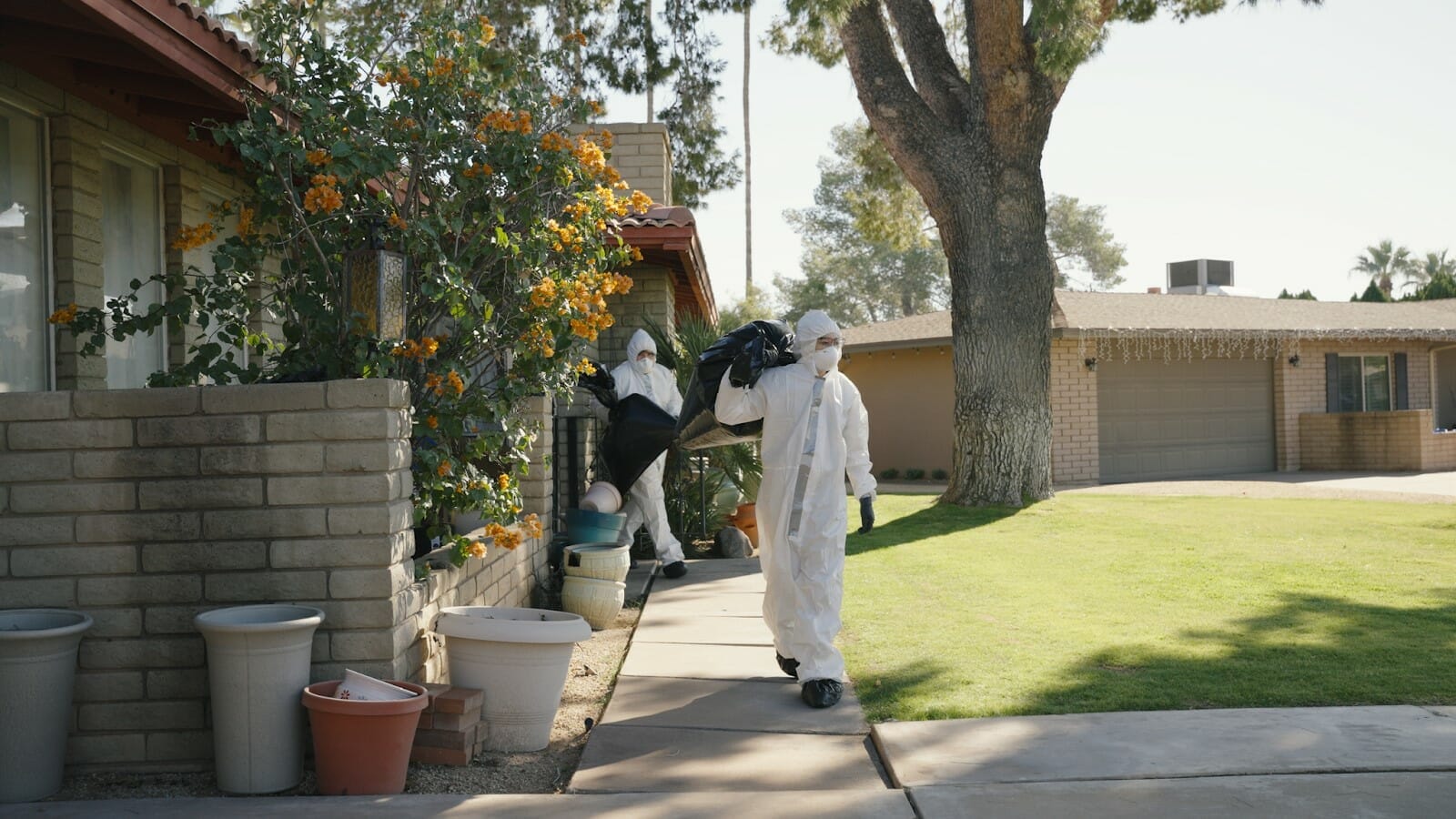
The path to recovery often begins with a conversation! Speaking openly and from the heart can be the catalyst for healing and a renewed lease on life. If you need help, don't hesitate to contact our team.